r u timing the news bytes of pedos and their dolls, with petro dollars?
in the year of the fire horse, horsepower is under fire,
with a repetitively programmed trojan horse surprise. search ‘trojan horse’ in the news.
horsepower is being replaced by whore’s power,
like warrior seamen being secreted into giant whores,
to infiltrate and destroy city/states.
trojan horse = t.h. = ’28 = k.h. kamala harris
28 = 4 x 7 = 47th = 4 weeks, 7 days = moonth
whitch flag had red germination menses around a white sperm/moon circle,
with 4 reversed 7s arranged into an x/cross offset at a 45° angle?
7 – 4 = g – d = g(a)v(a)g
4 + 7 = 11, 9 = 45°, ∴ 9/11
mad = 4, 1, 4= 45th pres = 9
max = 4, 1, 6 = 47th pres = 11
well = 5533 = 1.6, 1/6, 16 = 88 = 7 = sept.
whitch flag has a white sperm/moon flag with a red menses circle in the middle
and a name that means where your sons comes from?
th.x = the theocratic thinktank theorem™
thor = roth = 9628 = 28 day moonth + ’69 moon
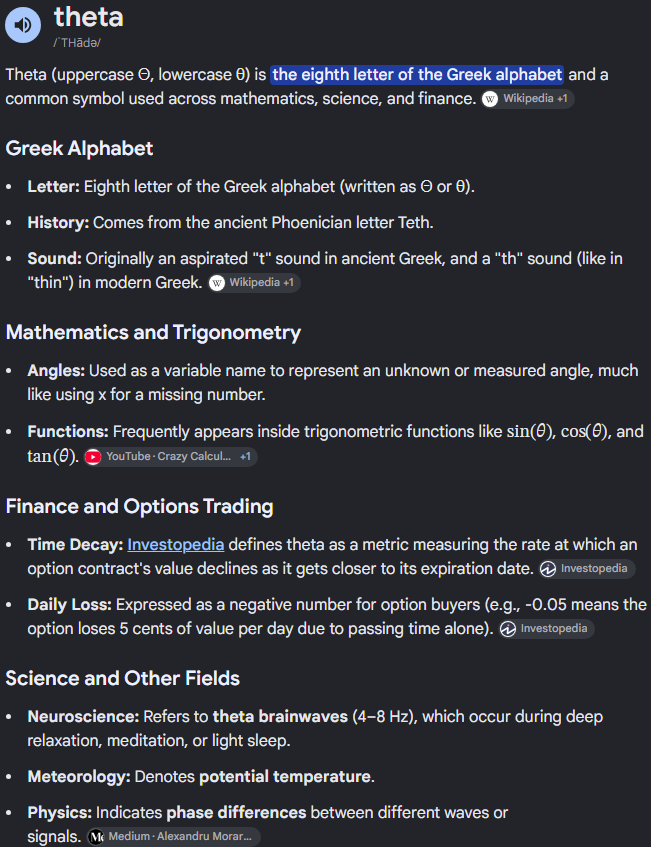
rho + theta = Ρ Θ = poor, politics, police, post, pork, 17, ’76…
17 + 8 = 88 mph = h.h. = h.arris
kama = 2, 1, 4, 1 = 8


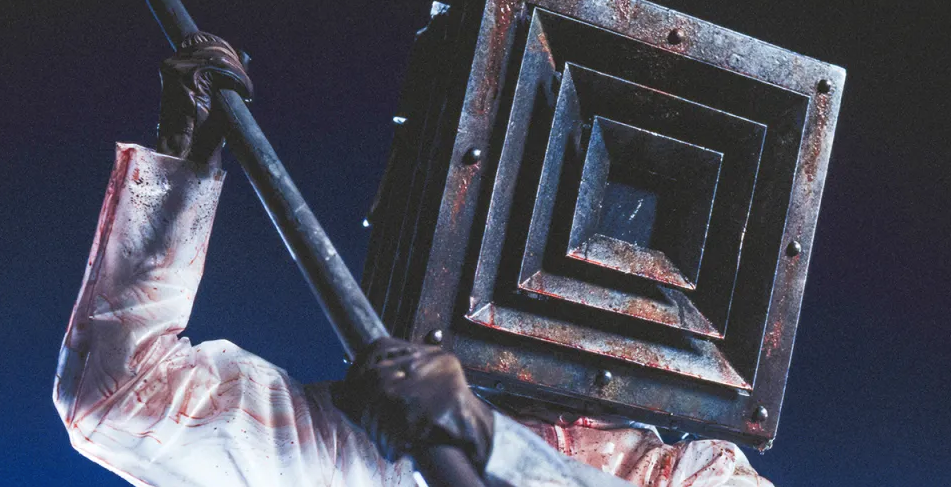
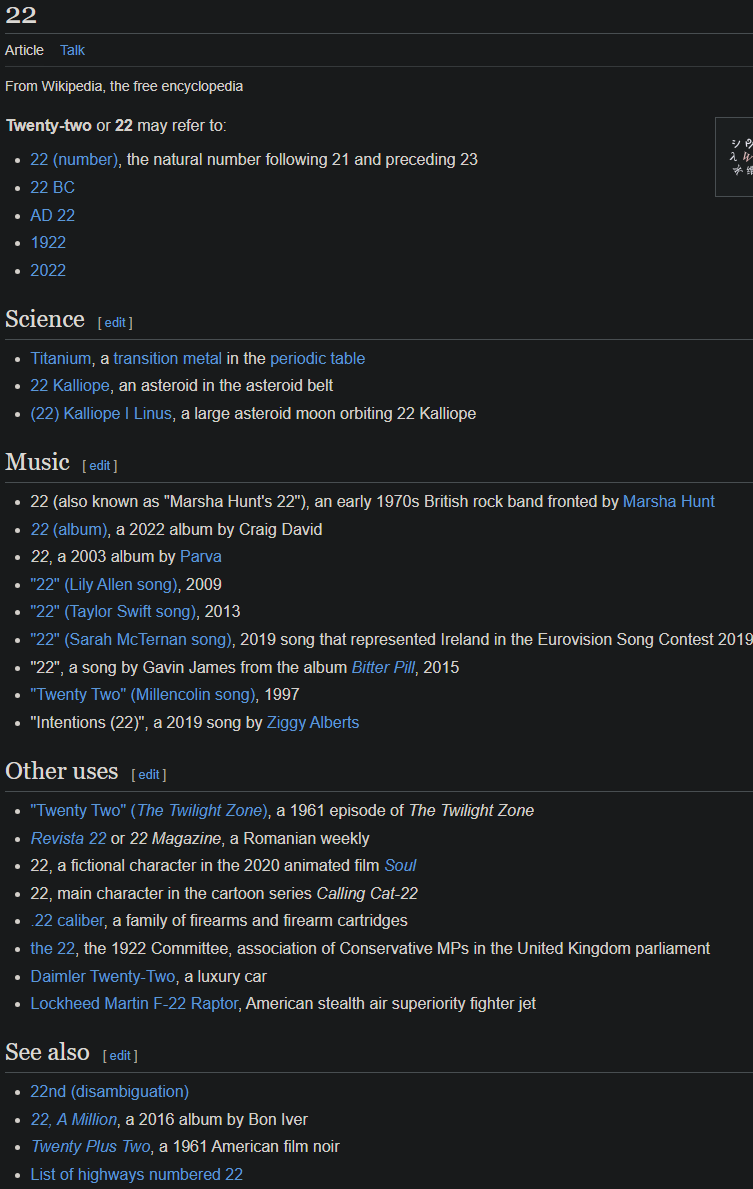
the biggest trojan horses are obviously the 9/11 jets. this represents the macro lens.
the smallest trojan horses are obviously the covid vaccines. they were gifts, were they not?
the most pervasive trojan horses in the universe are
kuntykultklub™ $ell-fee-tarded phoney.cia.nsa. fib.o.naccis, homelander security + space fwhores
medusa alphanumerica no longer the greatest superpower on the planet.
usb is the latest and greatest ashkenazi fibonacci
novice whirled ordo globo-national dynasty of all atomic time.
usb! usb! usb!
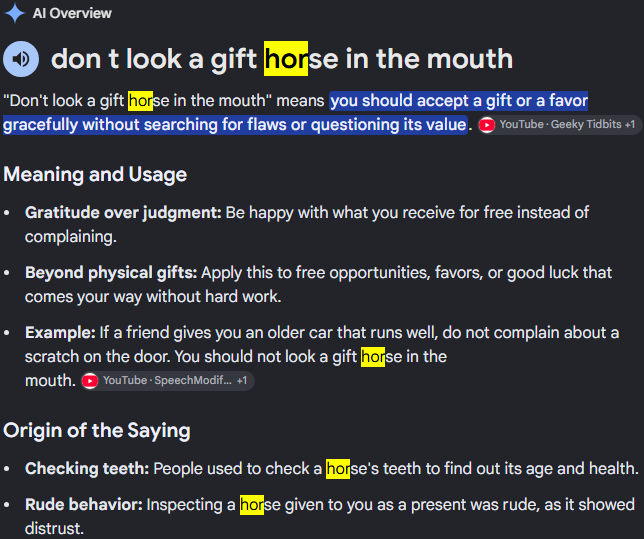
trojan horse + gift horse = dumbing down mind kontrol, catapulting free range idiocracy enfeeblement.
programmed for nine 11, at :42 = d.t. = ’76 250th = 767 twin towers,
this scene foretells the fire whores-moos diesel gas price explosion,
simultaneous to rand paul fake check for gold at ft. knox, ky.
kentucky rhymes with quantico qatari = muhammad ali airport, renamed in 2019. who names a u.s. airport muhammad after 9/11/2001?
moreover, ali constantly said he was the greatest,
genie ghislaine *max*well s.m.a.r.t. devices = greatest sucking sound of black site blackmail surveillance data centaurs
and trump wants to make captain alpha.newsom.erika kirk great again.
coterie = qatari = at iraq, q atari = hussein saddam = hussein barack iraq =
∴ make america a grating integrating obama.kamala karenina.claudius.carney… …again, and again game. and then…


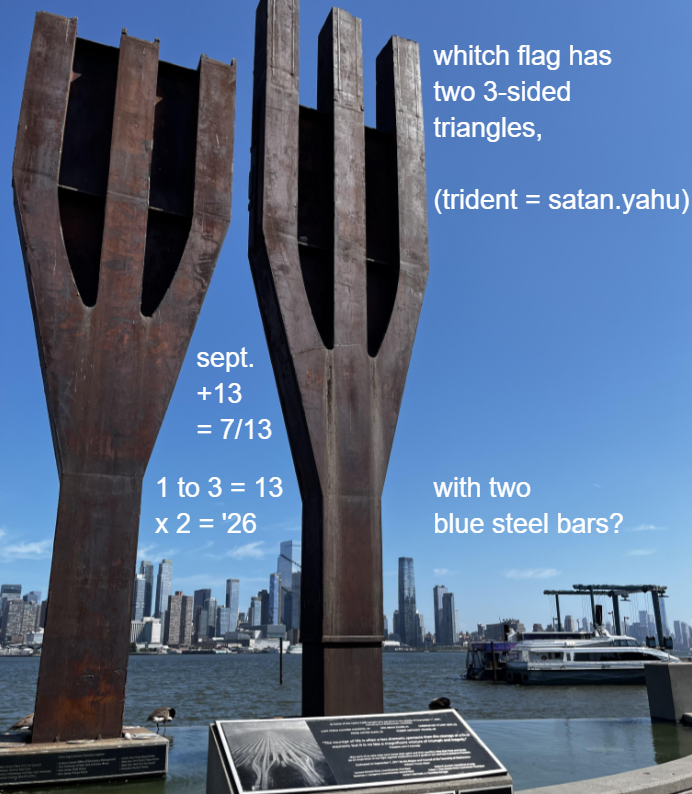
how would the israeli devoured u.s. military,
benefittest from the biggest benjamin$ trojan horse of our q.atari ‘hit a target’ timeline?:
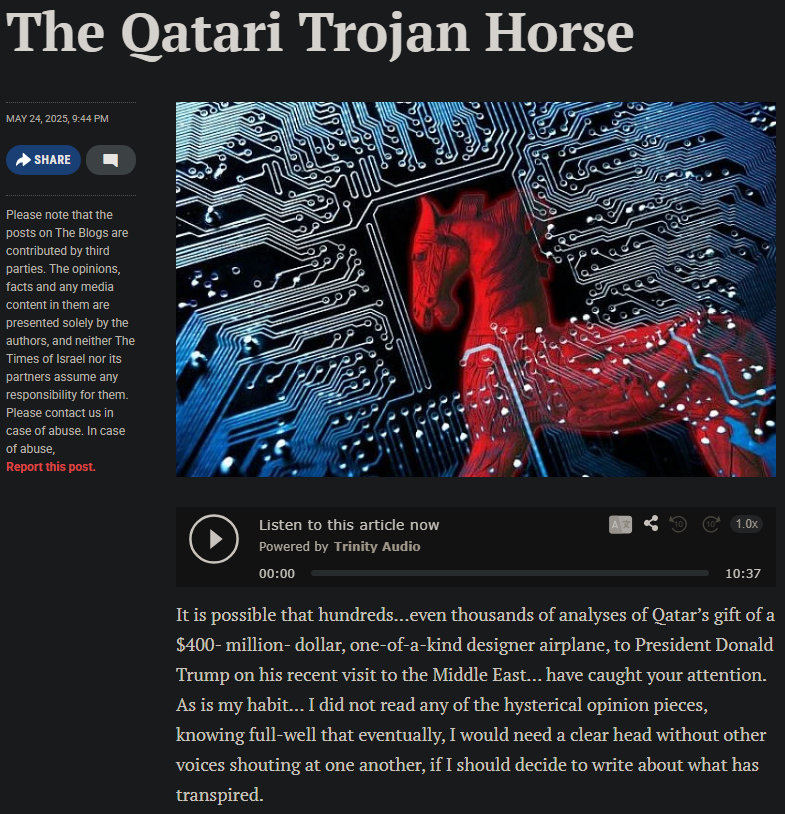
2006 = ’26 flocks of seagulls, sheeps, and fiery ’32° blucifer horsepower,
whatsoever doth dolly, donnie darko, a scanner darkly,
could be the next trojan whores’ gifts
programming-jammed™, alphabeticus mad maximus?

a.i. = see a.i. rabbi hat = rabbit = dol.ly rebe. part.on = old rebbe don.nie darko part.ly
butter fly = ’26 = cat or pillar
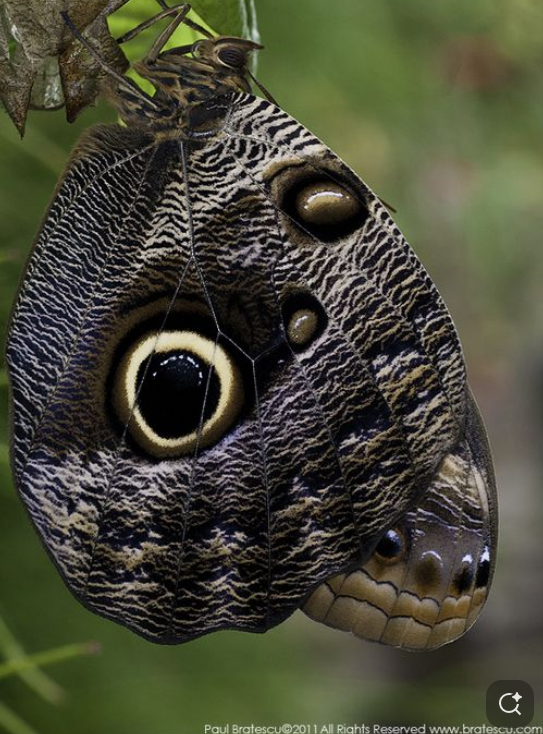
if everytime you hear butter fly,
you are prompting two products,
buy butter, buy airline tickets.
you can fly with donald puke to ep(stein)cot central.
now neurolinguistically tie those thoughts to butts and flys (zippers). most movies require zippo, zz top.
adjacent, cattish katy pop, kpop, pope lioness leo, felines cat-hole-lick nunneries, mar-a-lago mariposas and chrysalises,
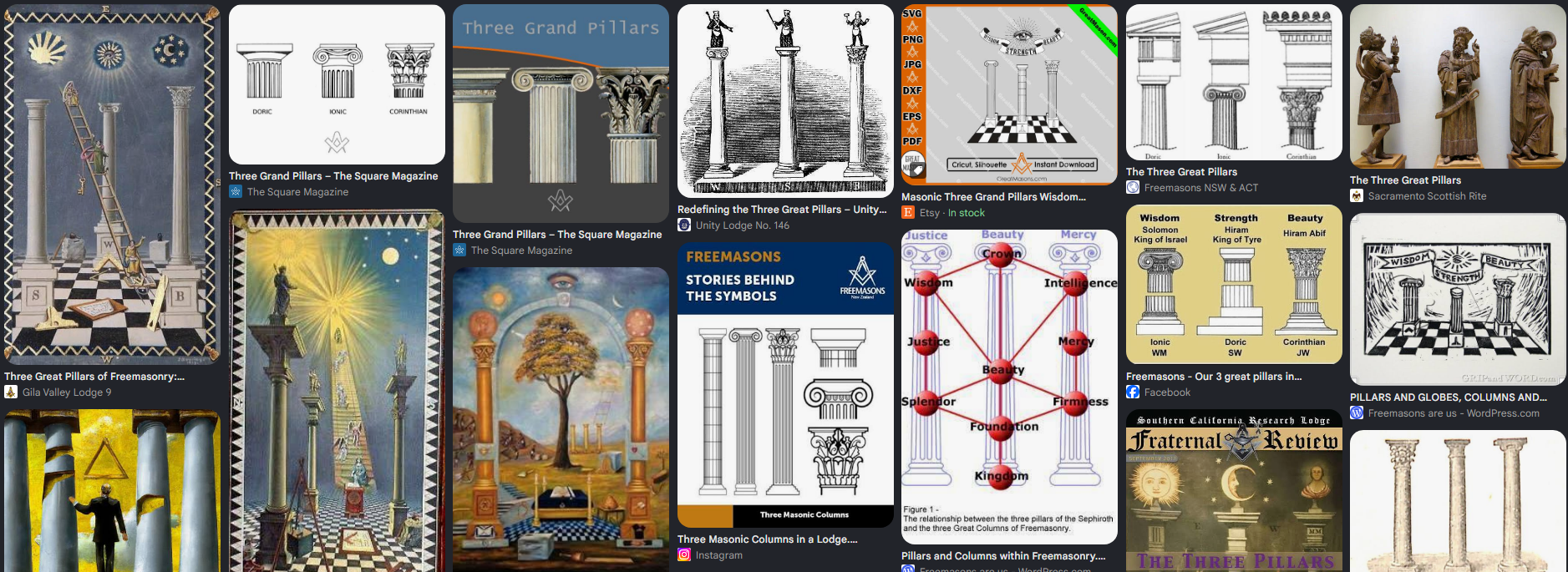
vs. onlypenisfans™ mason.ice semen.ted pillars frozen with 32° of stockholm syndrome megalomania of man.i.p.u.late.zion fashio.nist.an’.bullshit™
fly to don and ep($-teen)caught™ with st. barfs’ simp sons
the chosen ones magi jew.el.vis vs. the devil’s apost.el
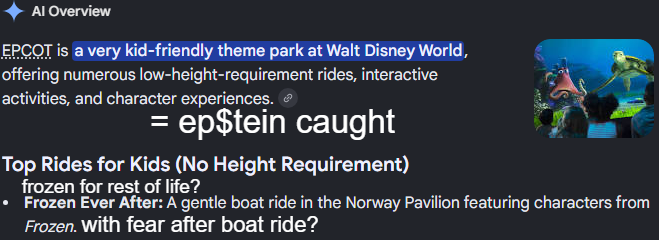
donald = old/dol dna/nads = double d = mcdonalds = donald duck orange juice
dolly d’la partin’
why diddy diddle iran with flotsam and onlyfans flock ’em cam yacht-z(’26) gen z (14-25) slavish sea gals steven? see gu-elves elvis?
world warrior whore muse acht z = 88 = build back a better backside, back tracking the future.
by biff dante t.rump.el.stealed.skin
f.whore!



j.d. vince vance & the valley of the anti-facts aunties™

spawnsword by state-ham-an’ traff-eggers

Don8 to nfin8 D.A.D.A.
(Data Analy$i$ Derivative Associazion)
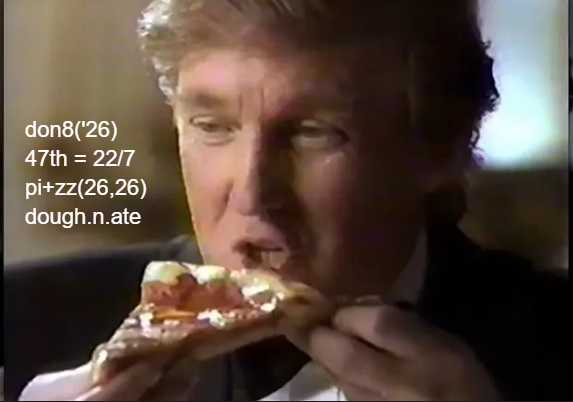
2b ore knot z tubee 2026

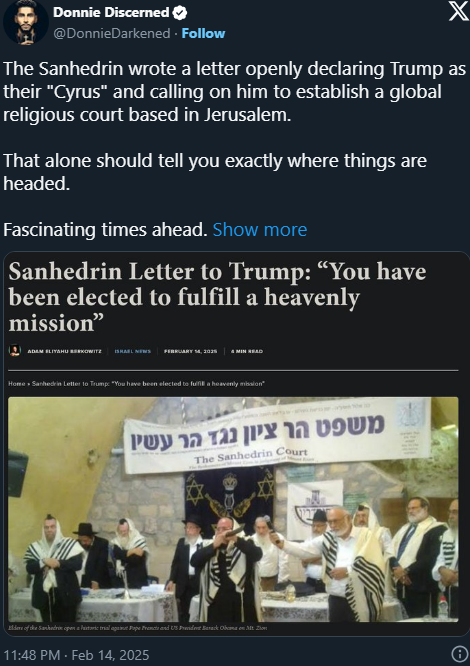
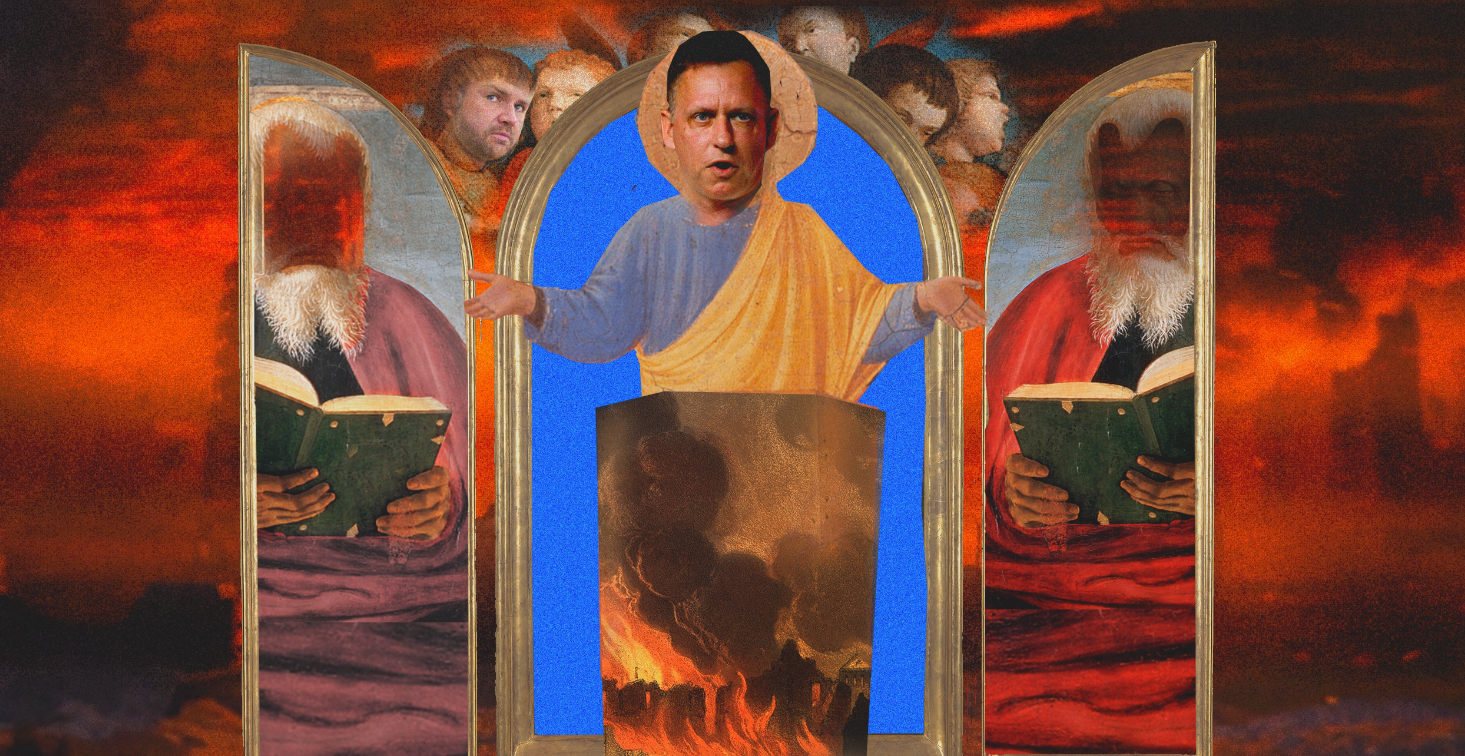
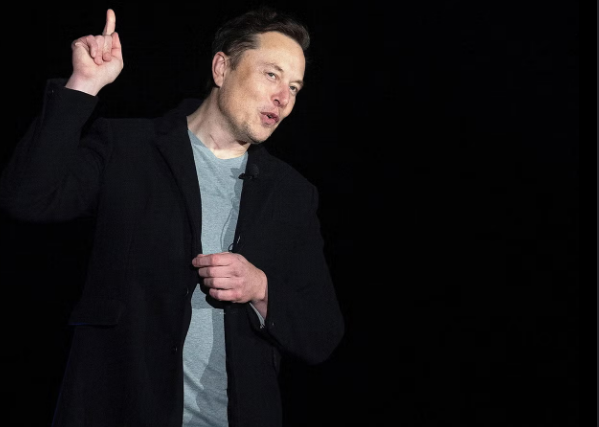
from babylon$,
to papal loan$,
to paypal, elon’s,
to pay palantir, for trump’s ear,
to pay… for a toupee, for a day, of
planned planet tyranny?
planetari iran?
planet tiberius?
anti-larp?


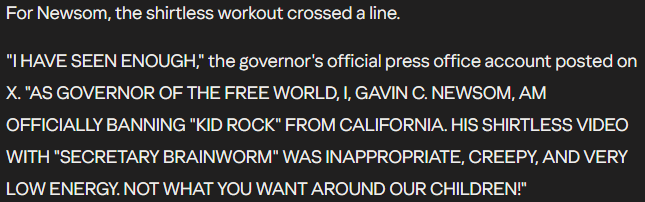

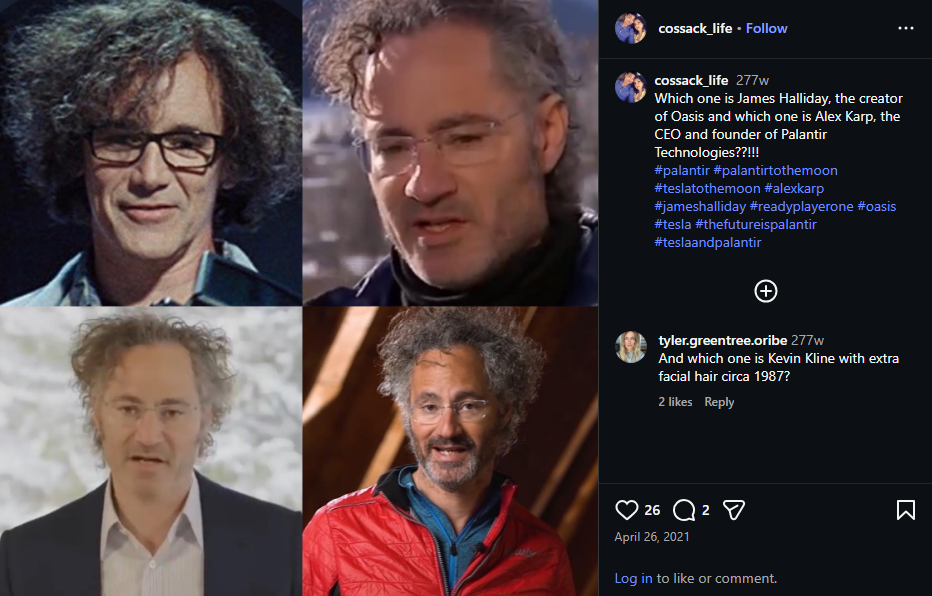
ghislaine, gaga,
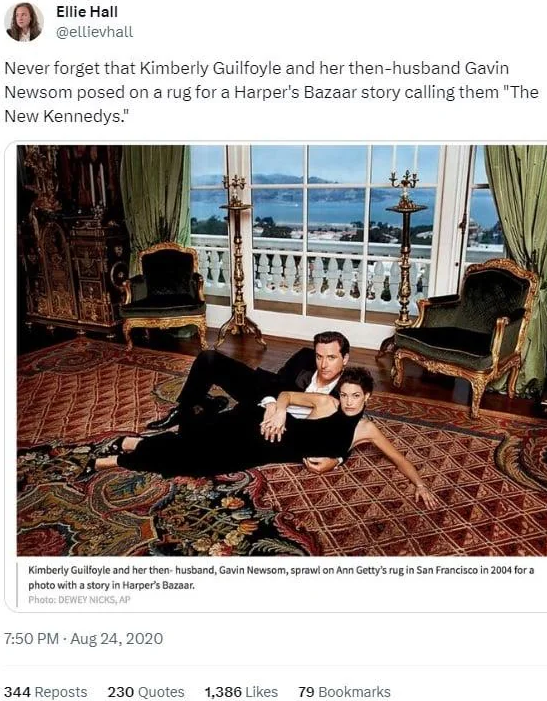
vagin-gavin = a.i., kamala harris = A.A.A.A.i.
maxwell mexico = claudia = cali = kali = kamala =
c-a(china) = canada = carney asada masada = karen b.ass = karens be asses = don.keys = dante’s t.rump
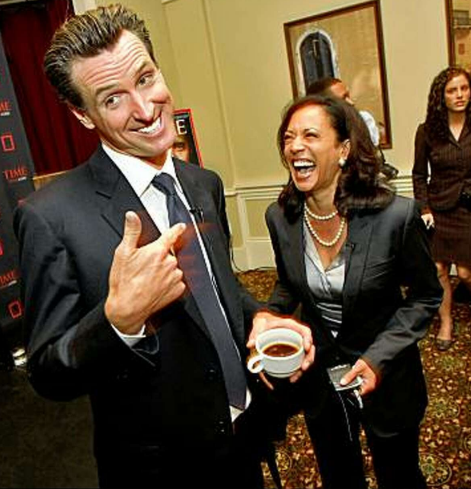
https://x.com/RNCResearch/status/1718661462934122912
harris bass = har baz


qr queer coded kha.n, as a childish big hair metals skarin’, cast out 9=r, ka.en = $nake eye$
after big gambino gambles against enterprises, quirk ca.sino losses in ka.malas vegas.
year of the fire horse + president ‘yer fired!’ + petropedollars™ (ped trope, pet roped, dolls, larceny) +
mad max well-petrol whore muze eye land die.sell = i(srael)ran™
t = b
hmm, pour or(golden)? buy beer? a yes!
albedo = libido speedo = a dobe = a dough (worker) bee = a bedo .pdf file
= pedos isle = ep + dos (dicks operating system) = two
= to dose (someone) 2-doors = tutors = tudors = 2 weeks = 2 jabs = 22/7
chairman of the great wasteland
…m, n, o,… = moon day night football, omnipotent nomination money monday
m + n + o = 42 = d.t. = dallas, tx, assassination city, fantasy pedopoly islands,
x = chi + t = cheat, toxic ticks, ticktocks = scottich cottage cheese pizzerias
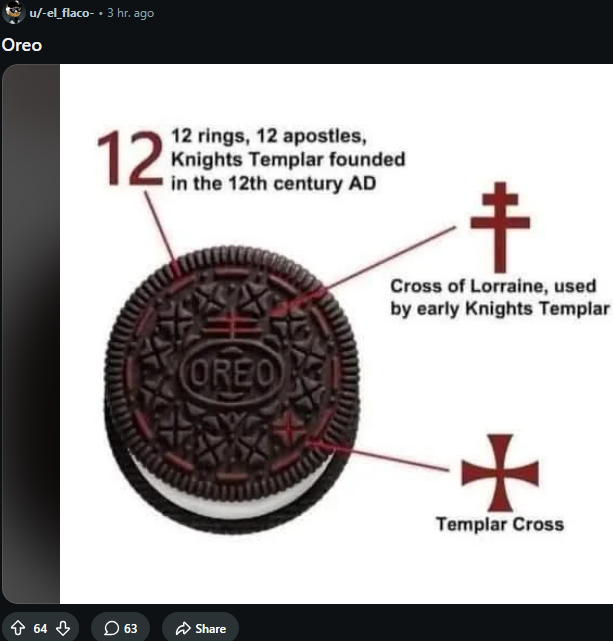
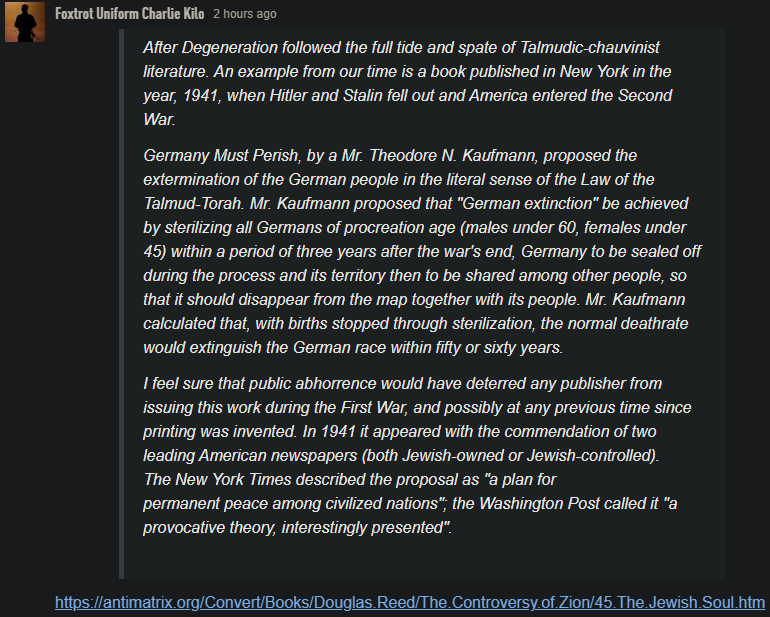


’26 = a flag with two blew twinkey towers, ‘rivers'(joan),
and 3+3 = q*bert, cue-borg & qubit$™ llc.,
2 bars + 2 try-angles = 22,
∴ 2026
https://x.com/WearForbidden/status/2090524571619172421
https://x.com/Acyn/status/2090943373930910129

t = b
hmm, pour or(golden)? buy/bi beer/bear?
j.b. = j.t. = katie kulty perry = max(well) cady =
capey pfeary(a security cam/drone advertisement) = 36 = 666 = ’63 j.+k. = jk = 21 = 777
j, k + el = m, n, o = minnow, coach ella = cohen el = eli cohen
justin bieber = justin trudeau = joe biden = john trump = jeffrey teens
tie bee = bee-bee milk cow skiers = mein(mine) cam.pf
cam(3.14) of a screen, of another cam(3.14) of a screen, in the 47th(22/7) jews tine tru.mp.dough ballzzz roomie


jus’ bi, gaiety, jus tru.




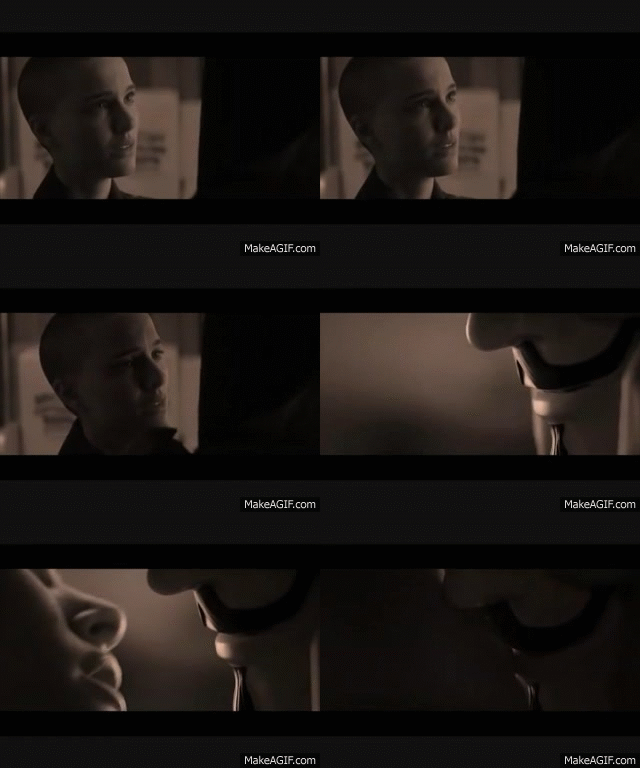





professor + ginger = epstein + ghislaine maxwell smart.dev.ice
captain (donald john) j.onas g.rumby (gumby + trumpy) = j.eff + g.hislaine
undercover e.s.p. spy agency stars eps.teen napolean and dynamite ghislaine pedro in action at a school near you:
vote = v.eto = ov(ni) e.t. = camel(ania) toe ball(room) a lot = ballot = lab toll = lol bat = paid rose and cheez(chi) = rosicruz.cia.n
the south park cows + butters + pedo pizza + pedo ice cream
+ benny and the milk-cows-ski jets = dairy = dry a.i. ryd
= jersey cows = red heifers = rouge shield udders for rudders = rudimentary
caveat emp+tor m(a)+pere=or(son): some disassembly required
pdiddy did he pedo petro-dollar ponzi fonzis = pedo + dolls + woody, softwoods, gymnio sperms, hardwoods, angio sperms, woody allen aliens,
G + ep(stein) = geppetto,
casting out 9=r,
the difference between pedo and peto, d & t,
d.t. = 42 = 6 x 7 = 2,67 pop(767)e leo = l.e.o. = p.d. = 47th = π = d-g = g-d
d-t = debt = d + e.b.t. food u.b.i.(u bi/buy, we fly) welfare cards
king vs. pope : o.leo vs. butt.er(t.rump) = v for vend.et.ta(d.t.) = qoph-i.d. 19 = a.i. = A eye = see eye yay


9/11 k(11)i(9)te hit steel plane must
= my pet goat. mpg(miles per gallon = petrodollarz)
= 477 = 747 = 47th whore muse hormuzzz, iran, enron, endrun
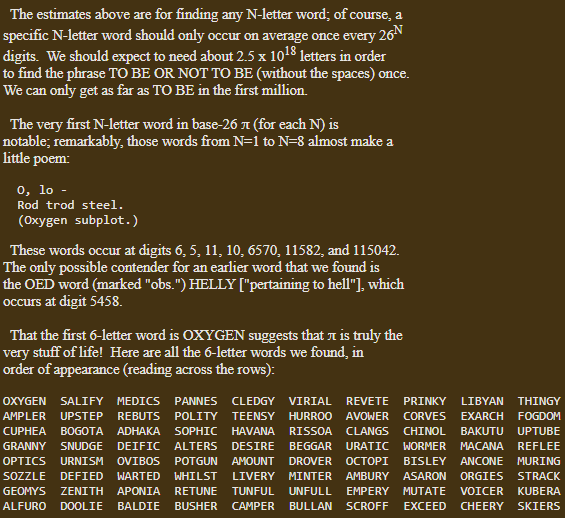
whore’s power = chinese lunar year of the fiery horse power anger engineering,
donald to G. mad maxwell whore-muse snake d-g = 47th
donald = eye.max made = 4.7 = ghislane = gasoline
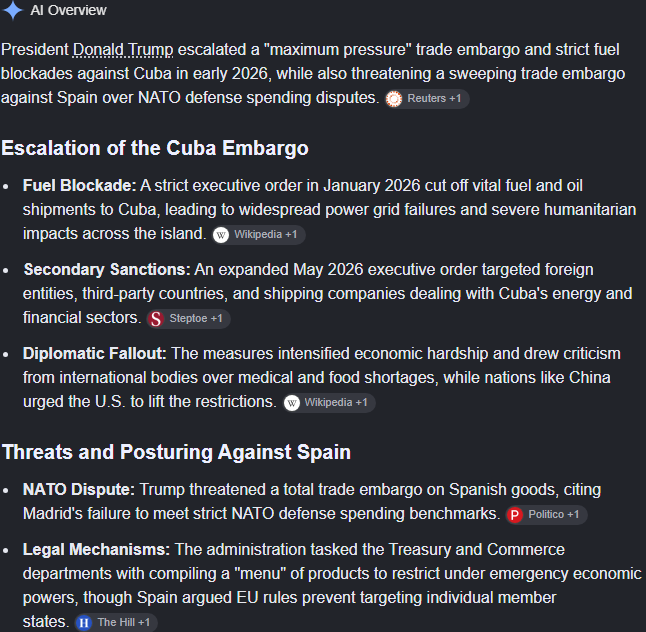 \
\https://x.com/thestustustudio/status/2088261572233744618

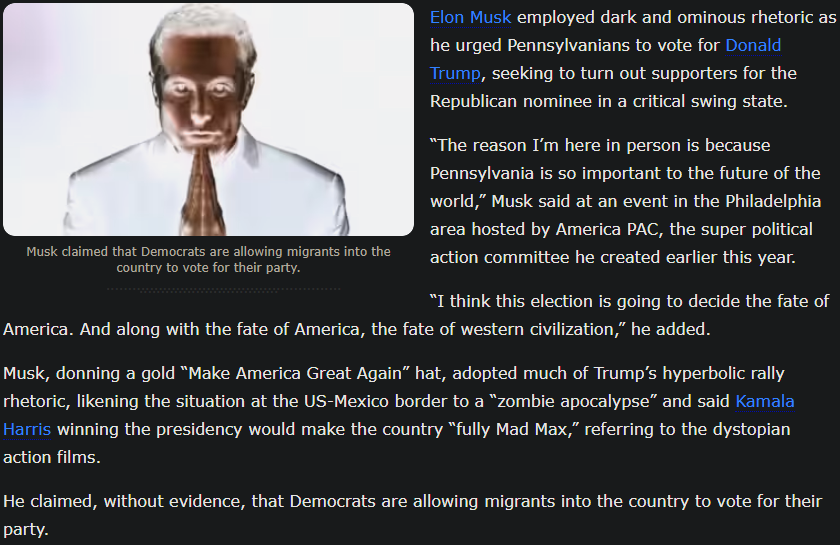
https://x.com/WallStreetApes/status/2088737456502026501
valhallahu lieutenant ack ack acktor barf, ‘it’s a trap’.
j.ack (say-10-nicht) n.icholson = 10, 6 = 1/6 = 1.6 = 88 = d.t.
’42 = d.t.
ack = 1,3, 11 twin primes = 42 = d.t. = ’24
dav i.d. dav o.s. helly(E) 9000 rabbi = rabbit hole a.i. + b.b., cast out 9 = r
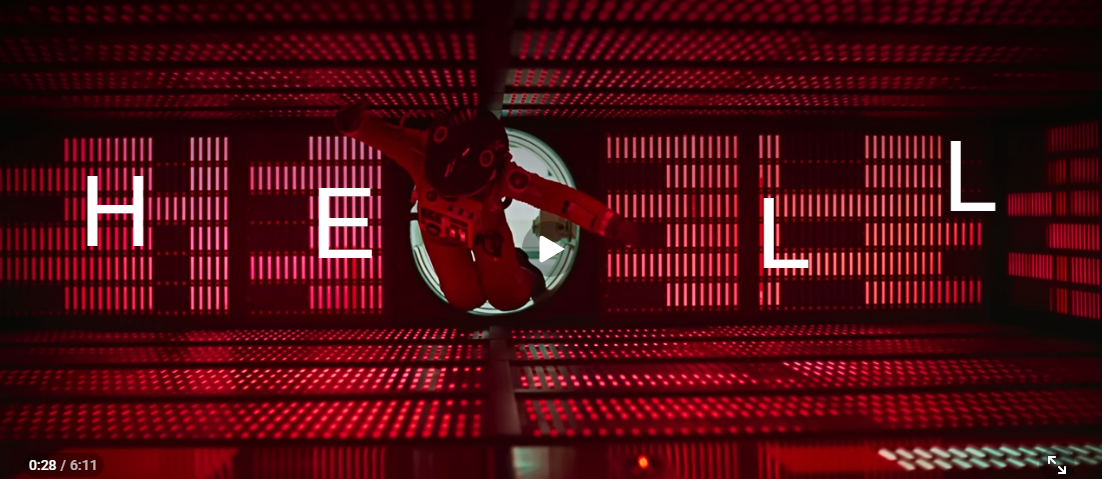
ku.brics = 9/11 = trump = a.i. = memory loss = stress pills = silo vitamin D+ = d.t.
hal = h.arris al.lah
‘bicycle built for two’ = b.b. 42 = bibi + d.t. = 88 = 64 = bbb, 4
bibi = bi.den + k.amallah + H
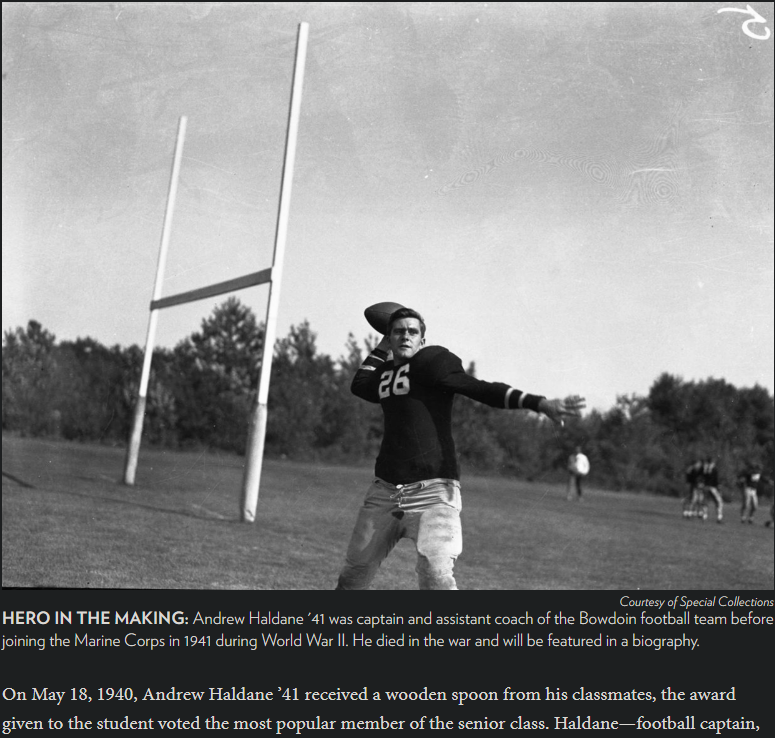
’41 = 13th prime, slang like ’67’
67 f.ield g.oal H = 8 + ’26 + H.aldane = 888 + eighteenth
football captain = f.c. = 36 = 666 = ’63
w.oo.den sp.oo.n = 6666 = 6 x 4, 64 = 88 trump = 16 = 1.6 = 1/6
5/1.8/1.9.40 = 6,9,9,4 = 6, 4
ack ack = 666 = 18 = a.h. haha,
d.n.a. = and.rew = hal.dan.e = hall of hell of faim = h.off.aktor fugger$
don t.’s fiery horsepower inferno + m.ichael (l.ong) k.night = m.k. ultra alphanumerical phonetic advertising agencies
mcfly + chicken noodles = ’20 twintie needles + martini martian marietta-a-lago-lock(heed)down.
orange + fired horse year
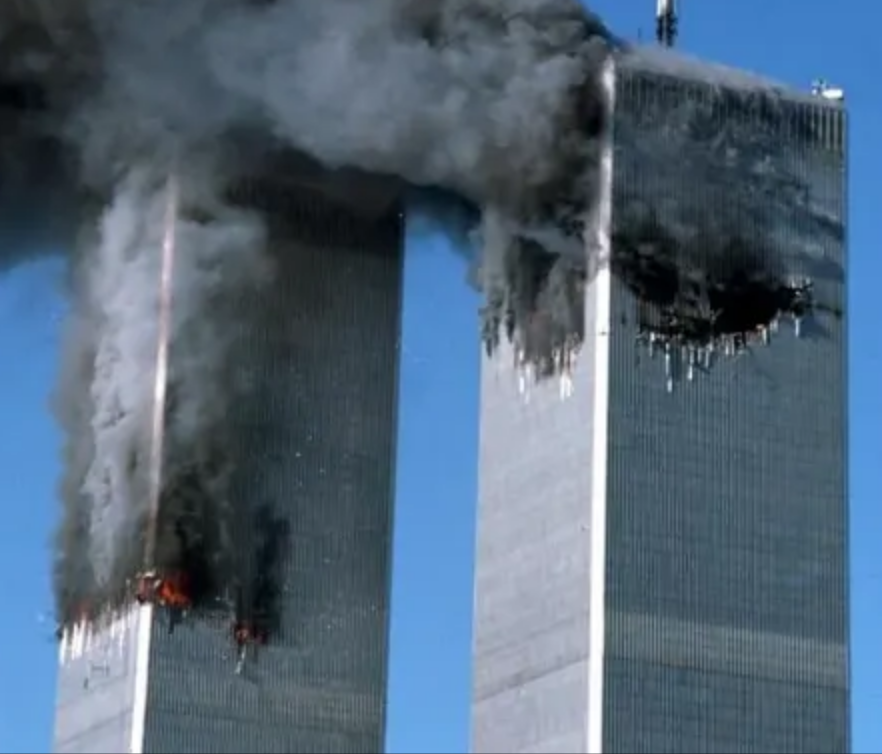
trump 9/11,
could aluminum foil conspiracy jets,
(kemtrailz, tsa, homelander security, crashes, hijackings, hostages, disappearances, cgi,
area 51, hangar 18, ufo, surveillance, bombings, buzzing beachgoers, blucifer’s blue angels, silver iodide)
penetrate blue steel (ballz models) twin towers = kitt(ch) = 9/11 – 2020 t.t. twin towers, lockdown hassle.qhoff-i.d.19, 10/19 – 2020,
k.r. = 9/11 = blac.kr.ock = kbr halliburton irak
ttik.tok = ticking a talk, to the beats of a script.
and tick marking every word ever said.
ticketable talk taxing™ wet dream$.
=
die = 4,9,5 = 99, i = 9,
m + h + o = 4 + 8 + 6 = 3 + 6 = 9
f = 6,
∴ 9999, 6
it wasn’t a pandemic it was a panopticondemic,
to flatten the world into evermore hierarchical pancakes, top = butt.er = rump.er and sire up = $yrup trickle down theory
the greatest conspiracy theory is the ‘pancake theory’, a demo-tactical twin towers win,
32° of three buildings into two = gateway 3-D into a 2-D screen/book virtual life = virtue.
mac beth = 3.14 el iz a beth = m.b. = d.t. = don tea = dante’s inferno burning up parliaments not unlike mars attacks
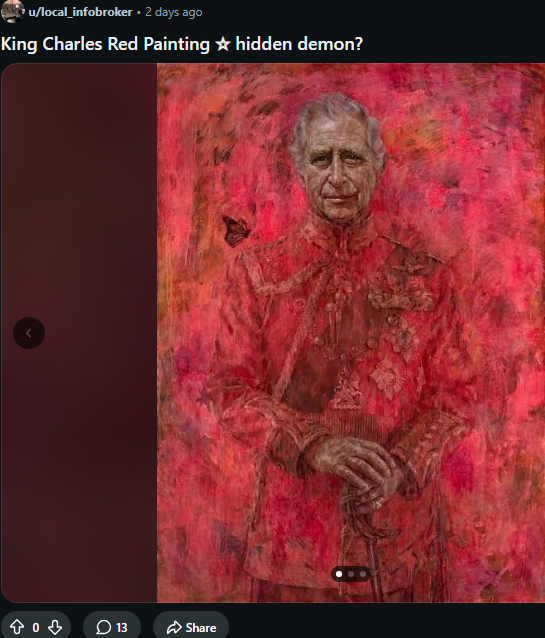
popeye and olive oil = poped owe leo = oleo margarine = marge simpson = mage casting out 9=r =
maggie = magi = ma(r)ga ein = one big universal magic show = dolly wood = eye doll a tree = dollar tree = x mas = x mas, y pas.
x chromosome + ma, = max-well jizz slain, max = example, examination, oxfam, mad max factorization
y chromosome + pa = pay the bills gated goyim
In mathematics, a Hermitian matrix (or self-adjoint matrix) is a square matrix with complex-valued entries that is equal to its own conjugate transpose. That is, if the element in the j-th row and k-th column of a Hermitian matrix A is some complex number Ajk=x+iy, then the element in the k-th row and j-th column is its complex conjugate Akj=Ajk¯=x−iy, for every pair of indices j and k. Hermitian matrices can be understood as the complex generalization of symmetric real matrices.
Using the notation AT to mean the transpose of A and an overline to mean the entrywise complex conjugate of a matrix, the Hermitian property is equivalent to the equalityA=AT¯.
The conjugate transpose of a matrix is often denoted AH, in terms of which the Hermitian property can be more concisely expressed as A=AH. Equivalent notations in common use include AH, A†, and A∗, although in quantum mechanics, A∗ typically means the complex conjugate only, and not the conjugate transpose.
Hermitian matrices are named after Charles Hermite,[1] who demonstrated in 1855 that matrices of this form share with symmetric real matrices the property of always having real eigenvalues. – wiki niki



1 + 2 = 3
x + y = z.eros
luckey
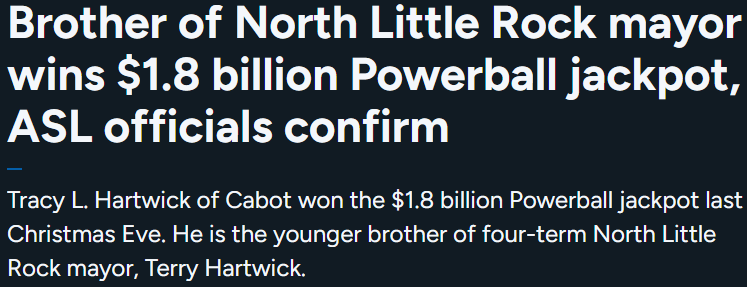
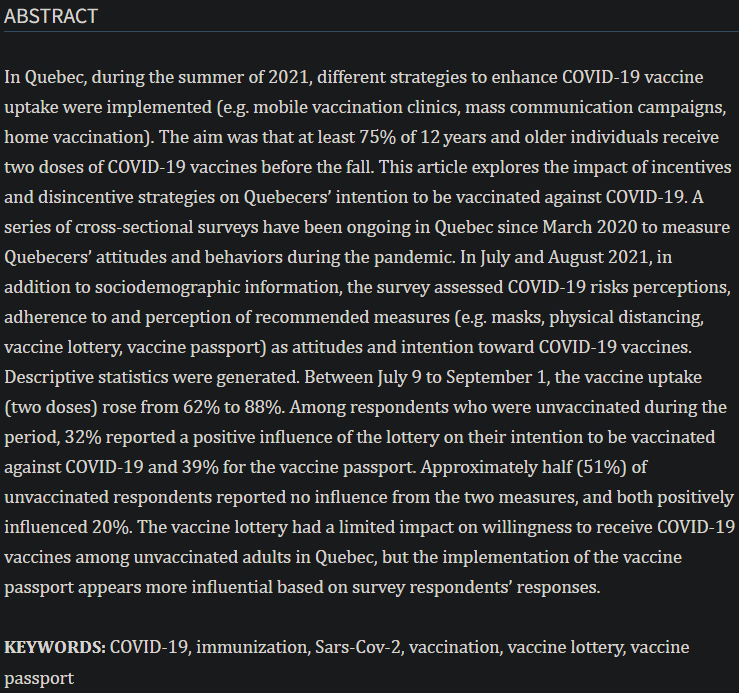
vote-tarded™ freeswill:
snowpiercer.siloed™ travel restriction lockdowns and pedo.ponzio.pyramidz™ of
hierarchically conspiratorial, freedom of assembly and social activity passport restrictions,
conveniently replaced by iconic panopticonic star trak surveillance state ‘on screen’ communication mediums,
vs. naive children and uneducated dumbed down focused fed.funded.fakable™ lotteries for big pharma profitzzz.

honeycomb worker bee cage,
in a john wilkes booth,
join ilks’ toothed truth boot = confessional booth of old,
now modernized, mod earn eyes, into your hard sell, cell,
payphone = papalphone, now n.w.o. evolved into paypal = musk = mosque
+ peter ‘rabbit’s tale’ thiel = thy el = elle-loon mosque-muskovites
= el el cool (orange) juicy jay-z (10+8=666) elephant in roomba, because an elephant n.eve.r forge e.t.s
= data centers = data centaurs = panoptiktokonic™ kagerbee™

can’t spell p.d., police dept., pode-esta, pod-cast-a, op ed, pode, pedo, depo, p.m.,
prime minister, without 7, 4 = 47th, don-e gol(d)
$pi-dr = $ + p.i. = π = 22/7 = 47th = d.g.
dr = doctor, drive, 49ers, s.f.(1.6, 1/6), kamala, gold, trump
g.al = 7/13 = 47th
d.g. = 47th
don. e-gal. don + eagle
reilly = is raeli = raelians = raw aliens = war alliance with u.s.-riyal = riyal it tea t.v. = 2022
war allowance, add vance + p.utin = 22/7 = pike fat albert $how, $pike pro-teens & epstein$
47th = roswell rockwell aliens = maxwell = maximum well of funding for fun and funerals
pd = 69 = 96 = dp
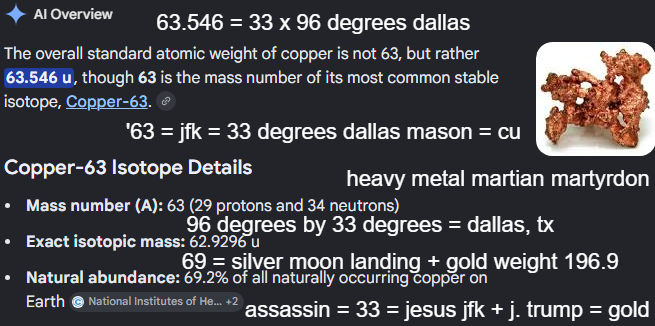
47th = d.p. = 74 = p.d. = copper
33 = cu = 3, 2,1, = a + b = c
cu = with enough copper and coppers and coffers and coffins and qophers, and golfers, i can ‘see you’.



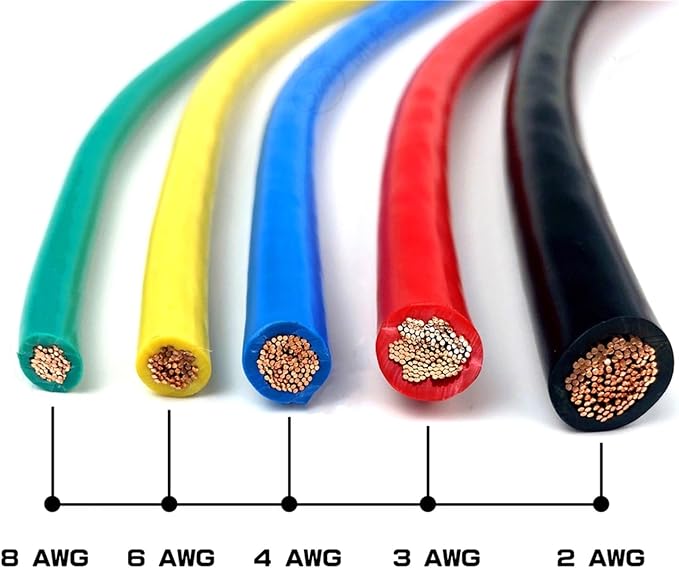
a.w.g. = 1, 5, 7 = 6/7 creation days = ’76 = destruction 13th days x 2 (pope leo = 2 x 67) = 26 alphanumerica x 2 = 52 we.eks/y.ear.s
8 awg = 2+6 + au gu stein
2026 = 10, + 8, or + 2 + 6, = 18 = 666
2+0+2+6 +8 +2+6 = ’26
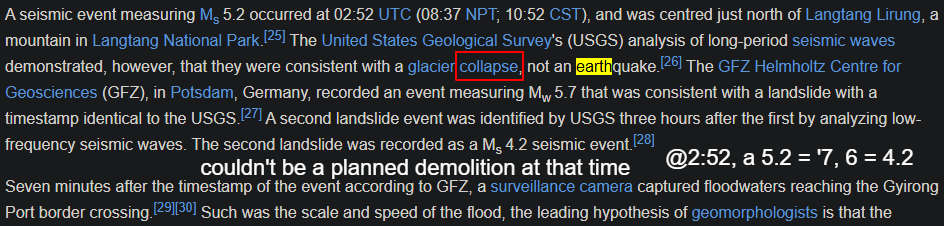
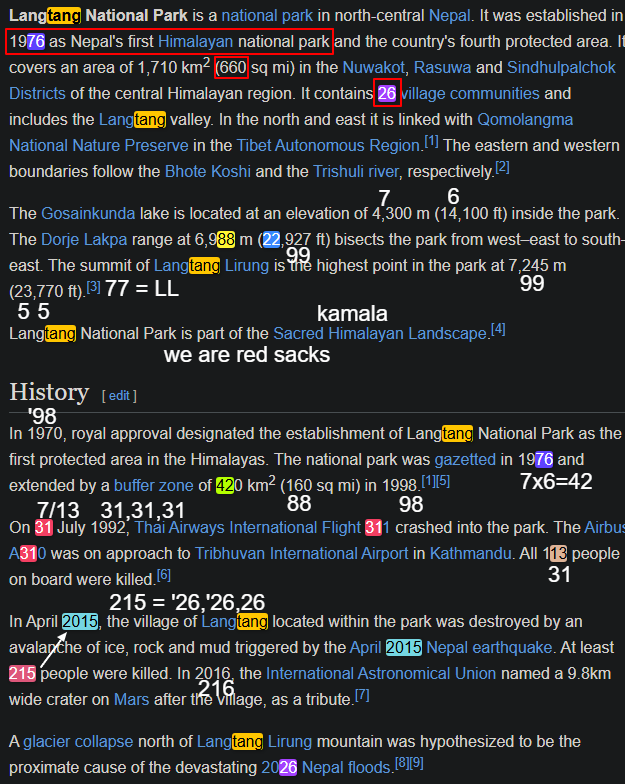
golf = glof glacial lake outburst flood
langley orangeman’s wu tang tango foxtrot zulu. echo bravo, echo bravo echo…

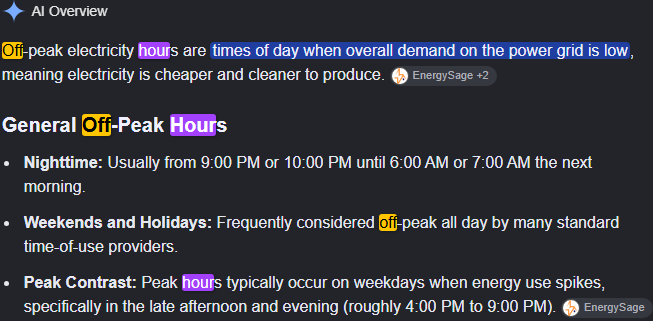
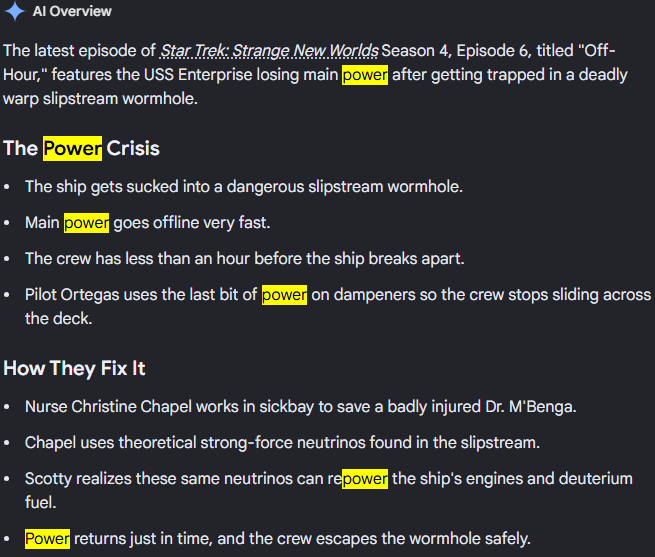

wag the dog = awg = aug = 8, 2+6=8, ’26 = 8, ∴ 888 for trump 88
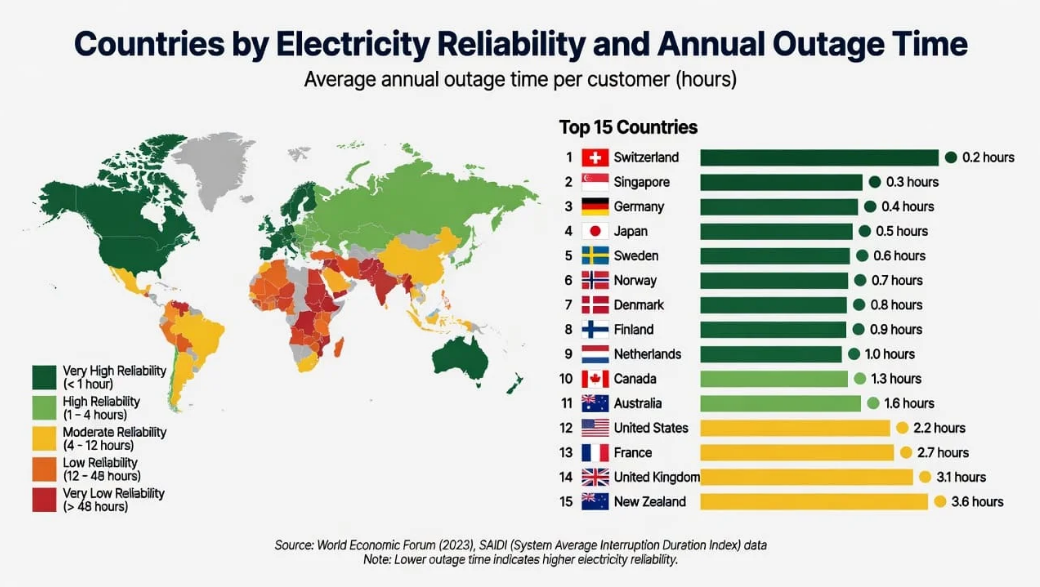
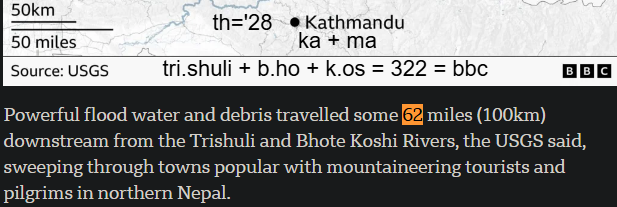
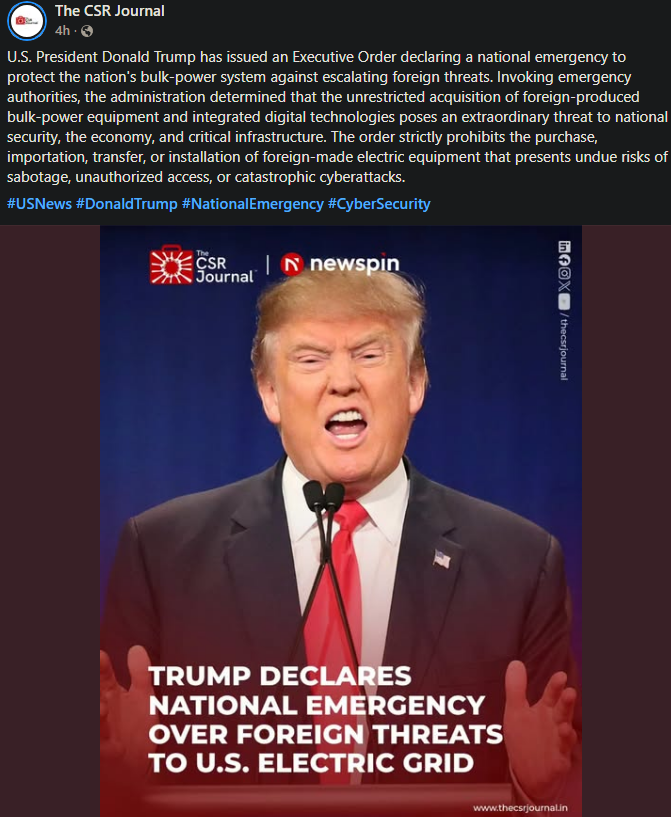
on the 26th of ’26, letter z = xi = china glof(flog,golf) destroys 6 power stations.
every house has an electric panel, that’s why it happened in nepal.
and then… on the very same day.
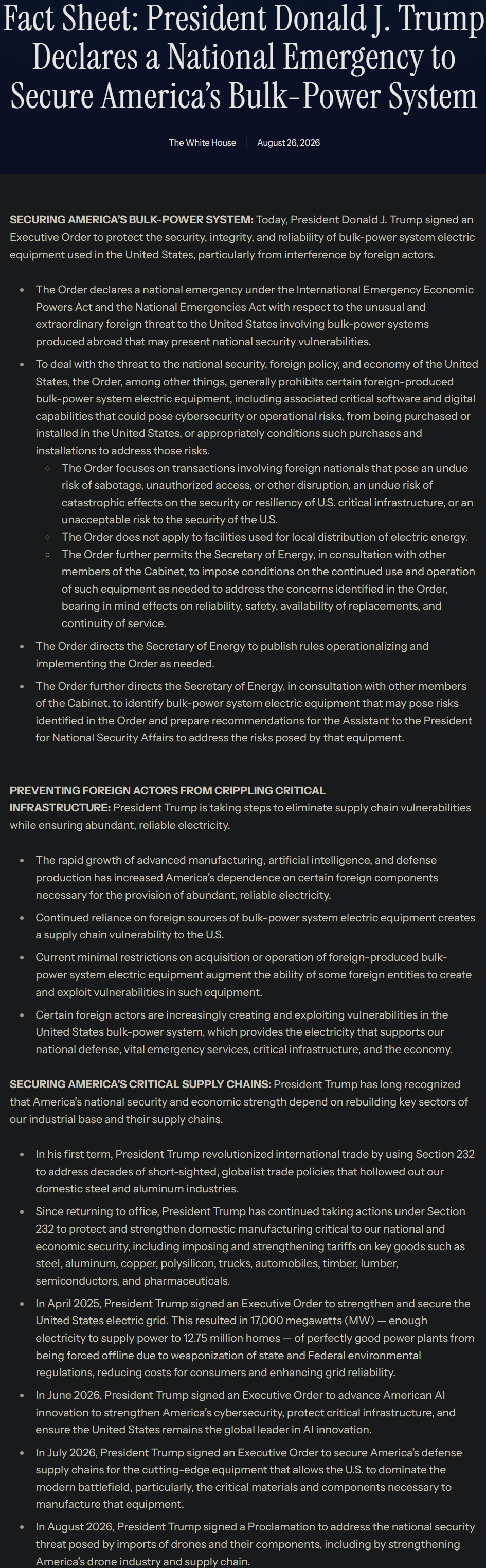
8 days earlier…
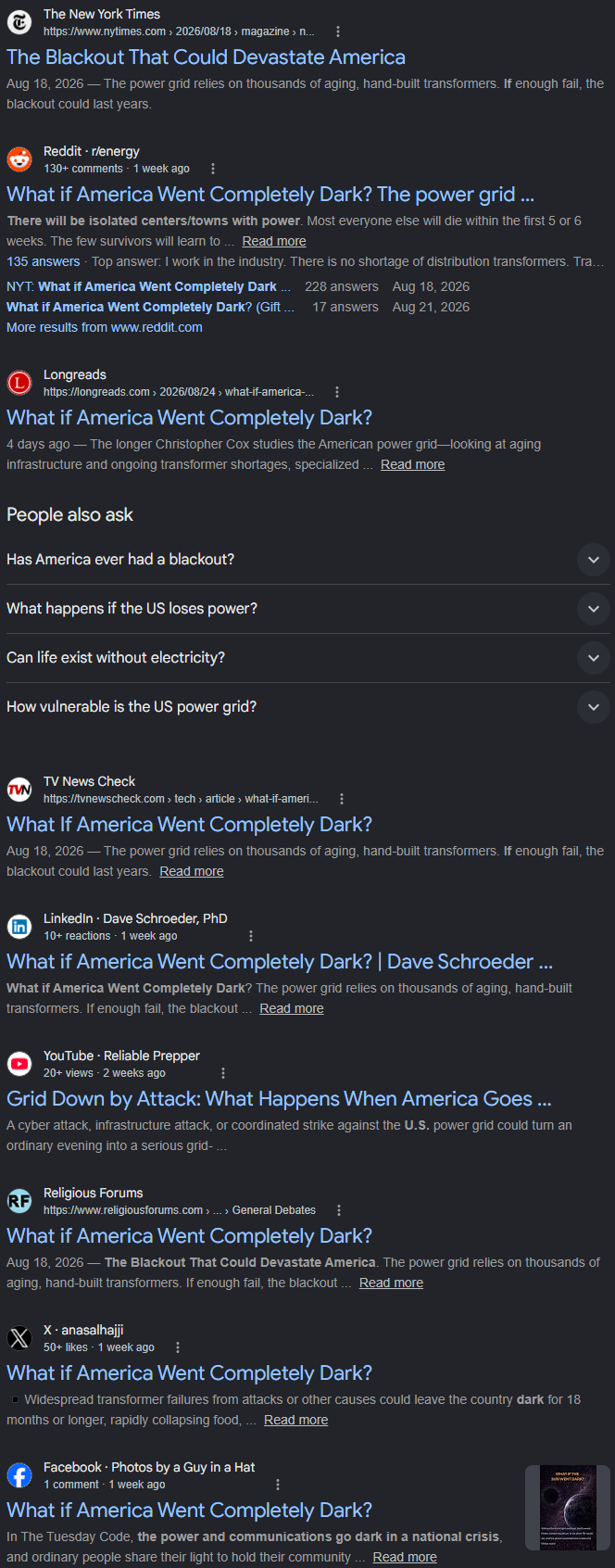

https://x.com/MAVERIC68078049/status/1995558177409302887
How to survive a gunshot wound to the neck
interestingasfuck


It wasn’t until the sixties that the British historian Dame Frances A. Yates breached the actual nature and extent of the thought movement that informed both the manifestos and its audience. In her book The Rosicrucian Enlightenment, she demonstrates that the texts were written as anti-Hapsburg, proreformist propaganda drawing on doctrines associated with the sixteenth-century philosopher Francis Bacon, and that this was understood by commentators on both sides; that the surreal “alchemical wedding” described therein references the 1613 marriage of England’s Elizabeth Stuart and Frederick V of the Palatinate, widely heralded as the linchpin of a proto-Protestant alliance capable of establishing such reform by force; that the broader proposals were indeed taken seriously by scholars, not as scripture but rather as a set of visionary policy proposals dressed in metaphor, akin to Bacon’s The New Atlantis; and that enthusiasts such as Elias Ashmole would directly implement those proposals by founding the Royal Society, establishing the primacy of science. Rather than being a footnote to premodern folly, the Rosicrucian affair turns out to sit at the narrative center of the modern world.
There’s a lesson here that bears attention today, at the apparent twilight of the same modern world, when the fundamental problem we face involves the degree to which the truth must now compete with such a vast multiplicity of falsehoods that discovering truth itself becomes unviable. Consider that so much of consequence to our own heritage should have been so misunderstood for as long as the Rosicrucian manifestos; it seems that crucial facts can be effectively concealed from serious attention simply by being visibly subject to the unserious sort. Such facts are gradually imbued with a sort of de facto defense mechanism against scrutiny, whereby the mere act of taking an interest in them serves to discredit professional researchers and journalists.
***
Casaubon, the protagonist-narrator of Umberto Eco’s 1988 novel Foucault’s Pendulum, is mindful of this dynamic as he explains his academic focus to a new acquaintance, an editor called Belbo:
“I’m finishing a thesis on the Templars.”
“What an awful subject,” [Belbo] said. “I thought that was for lunatics.”
“No. I’m studying the real stuff. The documents of the trial. What do you know about the Templars, anyway?”
“I work for a publishing company. We deal with both lunatics and nonlunatics. After a while an editor can pick out the lunatics right away. If somebody brings up the Templars, he’s almost always a lunatic.”
Casaubon proves himself scholarly and sane, so Belbo hires him at Garamond Press to evaluate incoming manuscripts dealing with the Templars. Each turns out to rely on the same tradition, wherein the chivalric order’s sudden liquidation by the king of France in the fourteenth century was perpetrated on the grounds that it had stumbled upon some esoteric secret that its chief officers refused to share. The arguments presented for this interpretation comprise a smorgasbord of commonplace logical fallacies; being neither scholarly nor original, the resulting manuscripts are of no use to a credible publishing house.
Fortunately, Signor Garamond quietly presides over a less credible publishing house, which caters exclusively to “self-financed authors” conned into underwriting their own work by way of the mundane conspiracy of flattery and gaslighting. With such things as revisionist history and Hermeticism having come into noticeable vogue across Western Europe, bookstores once specializing in Marxist materialism teemed with volumes on psychic healing—and much else besides, for the seeker of hidden truths turns out to be lucratively catholic in appetite. “Sure, the Templars, too, and cabala, and the lottery, and tea leaves,” intones Garamond. “They’re omnivorous. Omnivorous.”
Eco paints in loving detail the ecosystem of counterestablishment narrative as it existed in the second half of the twentieth century—the wealthy enthusiasts, desperate seekers, failed revolutionaries, con men, police informants, and endless combinations thereof. In contrast, our publishing-industry protagonists are too worldly to believe in anything at all. Embarrassed at having nonetheless once bought into the particular enthusiasm of the revolutionary left, they’re also sporadically ridden with guilt over having not done more in its service. Incoming manuscripts become grist for a cathartic literary game wherein Belbo and company affect to explain history as mere byproduct of a thousand-year factional struggle to reproduce the Templar secret. Parody gives way to pride of creation and thereafter to paranoia, which itself turns out to be wholly justified when a powerful network of Hermetic eccentrics decide that our nihilist curators have in fact discovered a secret worth killing over. Seeming absurdity is no guard against human reality.
Eco the novelist was unusually preoccupied with the dynamics surrounding conspiracies; Eco the medievalist scholar and semiotician was unusually qualified to explore these issues. In The Prague Cemetery (2010), he takes up the themes and imagery of Alexandre Dumas’s novel Joseph Balsamo, which itself famously begins with an induction into a militant anticlerical branch of Freemasons in the picturesque setting of a Prague cemetery. Expanding on themes present in Pendulum, Cemetery explores the role played by the Russian czarist intelligence apparatus in fomenting modern anti-Semitism by publishing the fraudulent pamphlet The Protocols of the Elders of Zion. In his capacity as a philologist who named our friend Casaubon after the founder of that discipline, Eco is also well equipped to debunk this early example of state-sponsored disinformation by tracking its origins; though commonly mischaracterized as outright “forgery,” it is in fact an adaptation of a nineteenth-century French political parody directed at Napoléon III.
Eco’s most commercially successful venture into humanity’s rich tapestry of myth and error remains the 1980 bestseller The Name of the Rose, which is set against the fruitful backdrop of scheme-crowded fifteenth-century papal politics. This time our protagonist is a protoscientific visionary in the tradition of Bacon: William of Baskerville, a Franciscan friar of questionable orthodoxy whose mission to broker an end to the multifaceted religio-politico conflict facing Europe is complicated by a series of murders with symbolic overtones. William is not merely an homage to Sherlock Holmes and the triumph of empiricism; like the criminal profiler who inhabits both the fact and fiction of our own day, he is deeply conversant with the vast phantasmagoria of myth and reality that informs the thought-world of the age. Thus he is equipped to counter what turns out to be a reactionary conspiracy against progress and civilization for much the same reasons that our contemporary commentator class is not: he is guided by empiricism and scholarship rather than unexamined consensus, and he is entirely unburdened by the arbitrary and deeply unempirical pseudoconcept of the “conspiracy theory.”
***
One searches the record in vain for any public appearance of the term conspiracy theory prior to the sixties. Even as mere shorthand denoting a sociopolitical premise already proven false via some coherent investigatory process, neither the phrase nor the concept had found any use among intellectuals of the prior generation, perhaps on the grounds that no such process existed. More precise language was available, such that we find George Orwell characterizing the official narrative from the Soviet show trials to be “incredible as a genuine conspiracy.” It’s a phrase that carries with it an explicit reminder that genuine conspiracies may be found elsewhere (and here, since Stalin’s crackdown was at root a conspiracy to consolidate power). Contrast this with the neologism conspiracy theory, which by usage has come to convey a decidedly more implicit message to the opposite effect.
To fully appreciate the lessons of Numero Zero, the last novel Eco published before his death, we must first pin down what exactly our contemporary political and cultural commentators mean when they deploy this term that earlier generations seem to have managed without. In theory this should be easy enough, given that dozens of articles have appeared over the past quarter century in such culturally representative outlets as The Atlantic and The New Republic, and indeed the bulk of the middlebrow press, declaring that conspiracy theories are on the rise and purporting to explain why. The difficulty we face is that none of these articles goes so far as to define the term, but this may prove a useful indication that no definition is considered necessary. Like justice or pornography, we’ll know it when we see it; failing that, we’ll know it when it’s pointed out to us by the same outlets that championed the case for the Iraq War based on claims that presumably don’t qualify as conspiracy theories. This is very reassuring.
In the absence of definitions, we must rely on examples. Writing for The Atlantic, the editor Adrienne LaFrance provides several in her 2015 article “Going Online in the Age of Conspiracy Theories”:
When you start looking for conspiracy theories online, they seem to be everywhere. Dave Matthews, Nostradamus, Donald Trump, and the typeface Wingdings all predicted 9/11, according to various websites. Elsewhere, you’ll find reports that America is on the brink of a second civil war, and that Elvis and Michael Jackson are still alive.
Seeing as how the latter two are every bit as dead as competent magazine prose, conspiracy theories would appear to be very silly things indeed. Those “reports that America is on the brink of a second civil war” seem not to have panned out either, which is why we may safely disregard The Atlantic’s own December 2019 special issue on “How to Stop a Civil War,” along with the former secretary of labor Robert Reich’s 2022 Guardian op-ed, “The Second American Civil War is Already Happening.” It might also be useful to ask why such a prospect ought to have been short-listed as a prime example of a conspiracy theory to begin with, rather than merely a prediction that struck the establishment as outlandish irrelevancy in 2015 and fait accompli just a few years later.
Here we have another clue, as a remarkable number of examples cited by The Atlantic and sources of the same ilk seem untethered to any discernible definition of conspiracy whatsoever, which certainly bodes ill for the utility of a concept purporting to delineate the legitimacy of such things. The article opens by recounting the circulation of a photo after 9/11, which appeared to show a tourist on the observation deck of the World Trade Center with an airliner headed right toward him. The Atlantic notes that “the photo was doctored, a digital joke made by the man pictured,” but fails to explain how this relates to the subject of conspiracies, theories, or anything at all.
If the concept of conspiracy has already been lost to the forces of vagueness, perhaps theory can still be salvaged. Theories gain credibility largely as a function of their usefulness in making predictions. Each dismissal of a given conspiracy theory, meanwhile, contains within it the implicit prediction that the debunked notion will not later be proclaimed as fact by the same outlet. That The Atlantic has already failed this test on the U.S. civil war question is understandable; every other major outlet in the English-speaking world fares just as poorly when subjected to basic scrutiny.
In 2012, the New York Times dismissed as conspiracy theorists those who claimed that the recent hack of the Texas-based intelligence contracting firm Stratfor had been overseen by the FBI, perhaps through one of several undercover bureau assets it had just publicly admitted to having run the whole operation. In 2024, the New York Times described the very same incident as having been “organized by an F.B.I. informant.” A 2017 New Republic treatise on “conspiracy thinking” denounced author Sarah Kendzior for her paranoia regarding Trump: “For Kendzior, virtually every action taken by the Trump administration is evidence that we’re in the throes of an authoritarian takeover.” Silly Sarah should have waited a year and sold the piece to The New Republic.
Our present-day establishment’s insistence that disinformation is a problem emanating chiefly from outside the channels of officialdom would have proved unintelligible to any competent observer of Orwell’s time, when the U.S. Department of War produced a film so thoroughly pro-Soviet that Stalin had it played in Moscow theaters while elsewhere U.S. troops were tasked with destroying translations of Animal Farm bound for Ukraine. By 1948, a citizen of either the U.S. or the USSR who continued to voice the same propaganda upon which their respective governments had insisted for years prior was now at risk of persecution. It’s certainly possible that the relevant dynamics have changed so thoroughly as to make these sorts of considerations moot and justify the current press predilection for accepting official narratives. But to argue such a premise requires awareness of what our intelligence services have gradually admitted regarding their respective past conduct and capabilities, as well as what’s been revealed by leaks, document thefts, and oversight bodies like the Church Commission and the House Select Committee on Assassinations.
Numero Zero takes us back to the thematically fertile world of Italian arts and letters and avarice, set this time in the early nineties. The protagonist, Colonna, is an aging journalist relieved to have found work at a tabloid. An informant regales him with outlandish claims regarding the hidden history of postwar Italy, alleging a campaign of false-flag attacks, contract killings, and rigged elections overseen by the CIA and carried out by a Freemason lodge made up of Italian Fascist holdovers. In what will strike most contemporary English-language media professionals as a surreal twist, Colonna investigates these allegations, which turn out to be substantiated. Colonna is unsure of how to proceed until he learns that the conspiracy in question is already public, the subject of occasional television documentaries. It is called Operation Gladio, and like a variety of other conspiracies against the foundations of democracy, it could safely be made public after the fact without fear of consequences for any involved; thus assured of the same immunity, the next generation of conspirators study the relevant past and improve on their craft, encouraged by the knowledge that the press will do neither.
In 2010, in an article for Rolling Stone, the journalist Michael Hastings deemed the war in Afghanistan unwinnable and reported comments from General Stanley McChrystal that made clear his lack of interest in civilian command. The day after the article’s publication, McChrystal resigned. In 2011, Hastings returned to Afghanistan. This time, he revealed an illegal army campaign that utilized advanced psychological operations techniques to persuade visiting U.S. senators to continue supporting the war. His story was picked up by outlets such as the BBC, which expanded on it in an article that uses the term “psy-ops” throughout.
In 2023, the BBC senior reporter Shayan Sardarizadeh included psyops in a short list of “phrases previously only uttered by fringe conspiracy theorists,” but which had “become sadly mainstream during [Israel’s war in Gaza].”
Hastings himself died in 2013 in a single-vehicle accident in LA a few days after informing his editors at Buzzfeed that the FBI was interviewing his acquaintances—something the bureau denied until documents to the contrary began appearing months later. He’d also expressed concern to a neighbor that his car had been tampered with. A decade later, as the BBC suggested to the world that its own prior journalism was “fringe,” Joseph Flynn—brother of General Michael Flynn, who once plotted to kidnap a Turkish opposition leader from Pennsylvania, and whom some researchers believe to be behind QAnon—finally remarked publicly on the incident in two tweets that he later deleted: “Michael H had problems with his car that night . . . . Too bad . . . so sad,” and “Spontaneous combustion? Tragic. . Doncha think #HorsepasteJimmy . . . had a bad day. Poor guy he was so young.”
For a generation presiding over decline, it is appropriate to look to the past for insight and to look to the future with modesty and care. Hastings is not my only friend and colleague to have died under circumstances deemed suspicious even by a press that grows ever less curious about such issues. In 2022, a Vice article about the death of Val Broeksmit, an FBI asset and a witness in Adam Schiff’s investigation into Trump’s dealings with Deutsche Bank, was titled, “Val Broeksmit, Deutsche Bank, and the Birth of a New Conspiracy Theory.” When the FBI raided Mar-a-Lago a few months later in search of classified documents taken by Trump from the White House, a photo emerged of a box marked as evidence. Inside was a full-page New York Times article about Val Broeksmit, in which he’s dismissed as a conspiracy theorist.
Wherever we’re headed, the public won’t know until we get there, and perhaps not even then. The bulk of the press has failed not merely to alert the public to the threats of fascism; it increasingly punishes those who might succeed in doing so. It’s fortunate for Eco that he published his famous essay “Ur-Fascism” in Italy in 1995 rather than the United States in 2017.
– Barrett Brown



Mein Kampf is a manifesto of a complete political program. Nazism had a theory of racism and of the Aryan chosen people, a precise notion of degenerate art, entartete Kunst, a philosophy of the will to power and of the Ubermensch. Nazism was decidedly anti-Christian and neo-pagan, while Stalin’s Diamat (the official version of Soviet Marxism) was blatantly materialistic and atheistic. If by totalitarianism one means a regime that subordinates every act of the individual to the state and to its ideology, then both Nazism and Stalinism were true totalitarian regimes.
Italian fascism was certainly a dictatorship, but it was not totally totalitarian, not because of its mildness but rather because of the philosophical weakness of its ideology. Contrary to common opinion, fascism in Italy had no special philosophy. The article on fascism signed by Mussolini in the Treccani Encyclopedia was written or basically inspired by Giovanni Gentile, but it reflected a late-Hegelian notion of the Absolute and Ethical State which was never fully realized by Mussolini. Mussolini did not have any philosophy: he had only rhetoric. He was a militant atheist at the beginning and later signed the Convention with the Church and welcomed the bishops who blessed the Fascist pennants. In his early anticlerical years, according to a likely legend, he once asked God, in order to prove His existence, to strike him down on the spot. Later, Mussolini always cited the name of God in his speeches, and did not mind being called the Man of Providence.
Italian fascism was the first right-wing dictatorship that took over a European country, and all similar movements later found a sort of archetype in Mussolini’s regime. Italian fascism was the first to establish a military liturgy, a folklore, even a way of dressing—far more influential, with its black shirts, than Armani, Benetton, or Versace would ever be. It was only in the Thirties that fascist movements appeared, with Mosley, in Great Britain, and in Latvia, Estonia, Lithuania, Poland, Hungary, Romania, Bulgaria, Greece, Yugoslavia, Spain, Portugal, Norway, and even in South America. It was Italian fascism that convinced many European liberal leaders that the new regime was carrying out interesting social reform, and that it was providing a mildly revolutionary alternative to the Communist threat.
Nevertheless, historical priority does not seem to me a sufficient reason to explain why the word fascism became a synecdoche, that is, a word that could be used for different totalitarian movements. This is not because fascism contained in itself, so to speak in their quintessential state, all the elements of any later form of totalitarianism. On the contrary, fascism had no quintessence. Fascism was a fuzzy totalitarianism, a collage of different philosophical and political ideas, a beehive of contradictions. Can one conceive of a truly totalitarian movement that was able to combine monarchy with revolution, the Royal Army with Mussolini’s personal milizia, the grant of privileges to the Church with state education extolling violence, absolute state control with a free market? The Fascist Party was born boasting that it brought a revolutionary new order; but it was financed by the most conservative among the landowners who expected from it a counter-revolution. At its beginning fascism was republican. Yet it survived for twenty years proclaiming its loyalty to the royal family, while the Duce (the unchallenged Maximal Leader) was arm-in-arm with the King, to whom he also offered the title of Emperor. But when the King fired Mussolini in 1943, the party reappeared two months later, with German support, under the standard of a “social” republic, recycling its old revolutionary script, now enriched with almost Jacobin overtones.
There was only a single Nazi architecture and a single Nazi art. If the Nazi architect was Albert Speer, there was no more room for Mies van der Rohe. Similarly, under Stalin’s rule, if Lamarck was right there was no room for Darwin. In Italy there were certainly fascist architects but close to their pseudo-Coliseums were many new buildings inspired by the modern rationalism of Gropius.
There was no fascist Zhdanov setting a strictly cultural line. In Italy there were two important art awards. The Premio Cremona was controlled by a fanatical and uncultivated Fascist, Roberto Farinacci, who encouraged art as propaganda. (I can remember paintings with such titles as Listening by Radio to the Duce’s Speech or States of Mind Created by Fascism.) The Premio Bergamo was sponsored by the cultivated and reasonably tolerant Fascist Giuseppe Bottai, who protected both the concept of art for art’s sake and the many kinds of avant-garde art that had been banned as corrupt and crypto-Communist in Germany.
The national poet was D’Annunzio, a dandy who in Germany or in Russia would have been sent to the firing squad. He was appointed as the bard of the regime because of his nationalism and his cult of heroism—which were in fact abundantly mixed up with influences of French fin de siècle decadence.
Take Futurism. One might think it would have been considered an instance of entartete Kunst, along with Expressionism, Cubism, and Surrealism. But the early Italian Futurists were nationalist; they favored Italian participation in the First World War for aesthetic reasons; they celebrated speed, violence, and risk, all of which somehow seemed to connect with the fascist cult of youth. While fascism identified itself with the Roman Empire and rediscovered rural traditions, Marinetti (who proclaimed that a car was more beautiful than the Victory of Samothrace, and wanted to kill even the moonlight) was nevertheless appointed as a member of the Italian Academy, which treated moonlight with great respect.
Many of the future partisans and of the future intellectuals of the Communist Party were educated by the GUF, the fascist university students’ association, which was supposed to be the cradle of the new fascist culture. These clubs became a sort of intellectual melting pot where new ideas circulated without any real ideological control. It was not that the men of the party were tolerant of radical thinking, but few of them had the intellectual equipment to control it.
During those twenty years, the poetry of Montale and other writers associated with the group called the Ermetici was a reaction to the bombastic style of the regime, and these poets were allowed to develop their literary protest from within what was seen as their ivory tower. The mood of the Ermetici poets was exactly the reverse of the fascist cult of optimism and heroism. The regime tolerated their blatant, even though socially imperceptible, dissent because the Fascists simply did not pay attention to such arcane language.
All this does not mean that Italian fascism was tolerant. Gramsci was put in prison until his death; the opposition leaders Giacomo Matteotti and the brothers Rosselli were assassinated; the free press was abolished, the labor unions were dismantled, and political dissenters were confined on remote islands. Legislative power became a mere fiction and the executive power (which controlled the judiciary as well as the mass media) directly issued new laws, among them laws calling for preservation of the race (the formal Italian gesture of support for what became the Holocaust).
The contradictory picture I describe was not the result of tolerance but of political and ideological discombobulation. But it was a rigid discombobulation, a structured confusion. Fascism was philosophically out of joint, but emotionally it was firmly fastened to some archetypal foundations.
So we come to my second point. There was only one Nazism. We cannot label Franco’s hyper-Catholic Falangism as Nazism, since Nazism is fundamentally pagan, polytheistic, and anti-Christian. But the fascist game can be played in many forms, and the name of the game does not change. The notion of fascism is not unlike Wittgenstein’s notion of a game. A game can be either competitive or not, it can require some special skill or none, it can or cannot involve money. Games are different activities that display only some “family resemblance,” as Wittgenstein put it. Consider the following sequence:
1 2 3 4
abc bcd cde def
Suppose there is a series of political groups in which group one is characterized by the features abc, group two by the features bcd, and so on. Group two is similar to group one since they have two features in common; for the same reasons three is similar to two and four is similar to three. Notice that three is also similar to one (they have in common the feature c). The most curious case is presented by four, obviously similar to three and two, but with no feature in common with one. However, owing to the uninterrupted series of decreasing similarities between one and four, there remains, by a sort of illusory transitivity, a family resemblance between four and one.
Fascism became an all-purpose term because one can eliminate from a fascist regime one or more features, and it will still be recognizable as fascist. Take away imperialism from fascism and you still have Franco and Salazar. Take away colonialism and you still have the Balkan fascism of the Ustashes. Add to the Italian fascism a radical anti-capitalism (which never much fascinated Mussolini) and you have Ezra Pound. Add a cult of Celtic mythology and the Grail mysticism (completely alien to official fascism) and you have one of the most respected fascist gurus, Julius Evola.
But in spite of this fuzziness, I think it is possible to outline a list of features that are typical of what I would like to call Ur-Fascism, or Eternal Fascism. These features cannot be organized into a system; many of them contradict each other, and are also typical of other kinds of despotism or fanaticism. But it is enough that one of them be present to allow fascism to coagulate around it.
1. The first feature of Ur-Fascism is the cult of tradition. Traditionalism is of course much older than fascism. Not only was it typical of counter-revolutionary Catholic thought after the French revolution, but it was born in the late Hellenistic era, as a reaction to classical Greek rationalism. In the Mediterranean basin, people of different religions (most of them indulgently accepted by the Roman Pantheon) started dreaming of a revelation received at the dawn of human history. This revelation, according to the traditionalist mystique, had remained for a long time concealed under the veil of forgotten languages—in Egyptian hieroglyphs, in the Celtic runes, in the scrolls of the little known religions of Asia.
This new culture had to be syncretistic. Syncretism is not only, as the dictionary says, “the combination of different forms of belief or practice”; such a combination must tolerate contradictions. Each of the original messages contains a sliver of wisdom, and whenever they seem to say different or incompatible things it is only because all are alluding, allegorically, to the same primeval truth.
As a consequence, there can be no advancement of learning. Truth has been already spelled out once and for all, and we can only keep interpreting its obscure message.
One has only to look at the syllabus of every fascist movement to find the major traditionalist thinkers. The Nazi gnosis was nourished by traditionalist, syncretistic, occult elements. The most influential theoretical source of the theories of the new Italian right, Julius Evola, merged the Holy Grail with The Protocols of the Elders of Zion, alchemy with the Holy Roman and Germanic Empire. The very fact that the Italian right, in order to show its open-mindedness, recently broadened its syllabus to include works by De Maistre, Guenon, and Gramsci, is a blatant proof of syncretism.
If you browse in the shelves that, in American bookstores, are labeled as New Age, you can find there even Saint Augustine who, as far as I know, was not a fascist. But combining Saint Augustine and Stonehenge—that is a symptom of Ur-Fascism.
2. Traditionalism implies the rejection of modernism. Both Fascists and Nazis worshiped technology, while traditionalist thinkers usually reject it as a negation of traditional spiritual values. However, even though Nazism was proud of its industrial achievements, its praise of modernism was only the surface of an ideology based upon Blood and Earth (Blut und Boden). The rejection of the modern world was disguised as a rebuttal of the capitalistic way of life, but it mainly concerned the rejection of the Spirit of 1789 (and of 1776, of course). The Enlightenment, the Age of Reason, is seen as the beginning of modern depravity. In this sense Ur-Fascism can be defined as irrationalism.
3. Irrationalism also depends on the cult of action for action’s sake. Action being beautiful in itself, it must be taken before, or without, any previous reflection. Thinking is a form of emasculation. Therefore culture is suspect insofar as it is identified with critical attitudes. Distrust of the intellectual world has always been a symptom of Ur-Fascism, from Goering’s alleged statement (“When I hear talk of culture I reach for my gun”) to the frequent use of such expressions as “degenerate intellectuals,” “eggheads,” “effete snobs,” “universities are a nest of reds.” The official Fascist intellectuals were mainly engaged in attacking modern culture and the liberal intelligentsia for having betrayed traditional values.
4. No syncretistic faith can withstand analytical criticism. The critical spirit makes distinctions, and to distinguish is a sign of modernism. In modern culture the scientific community praises disagreement as a way to improve knowledge. For Ur-Fascism, disagreement is treason.
5. Besides, disagreement is a sign of diversity. Ur-Fascism grows up and seeks for consensus by exploiting and exacerbating the natural fear of difference. The first appeal of a fascist or prematurely fascist movement is an appeal against the intruders. Thus Ur-Fascism is racist.
6. Ur-Fascism derives from individual or social frustration. That is why one of the most typical features of the historical fascism was the appeal to a frustrated middle class, a class suffering from an economic crisis or feelings of political humiliation, and frightened by the pressure of lower social groups. In our time, when the old “proletarians” are becoming petty bourgeois (and the lumpen are largely excluded from the political scene), the fascism of tomorrow will find its audience in this new majority.
7. To people who feel deprived of a clear social identity, Ur-Fascism says that their only privilege is the most common one, to be born in the same country. This is the origin of nationalism. Besides, the only ones who can provide an identity to the nation are its enemies. Thus at the root of the Ur-Fascist psychology there is the obsession with a plot, possibly an international one. The followers must feel besieged. The easiest way to solve the plot is the appeal to xenophobia. But the plot must also come from the inside: Jews are usually the best target because they have the advantage of being at the same time inside and outside. In the US, a prominent instance of the plot obsession is to be found in Pat Robertson’s The New World Order, but, as we have recently seen, there are many others.
8. The followers must feel humiliated by the ostentatious wealth and force of their enemies. When I was a boy I was taught to think of Englishmen as the five-meal people. They ate more frequently than the poor but sober Italians. Jews are rich and help each other through a secret web of mutual assistance. However, the followers must be convinced that they can overwhelm the enemies. Thus, by a continuous shifting of rhetorical focus, the enemies are at the same time too strong and too weak. Fascist governments are condemned to lose wars because they are constitutionally incapable of objectively evaluating the force of the enemy.
9. For Ur-Fascism there is no struggle for life but, rather, life is lived for struggle. Thus pacifism is trafficking with the enemy. It is bad because life is permanent warfare. This, however, brings about an Armageddon complex. Since enemies have to be defeated, there must be a final battle, after which the movement will have control of the world. But such a “final solution” implies a further era of peace, a Golden Age, which contradicts the principle of permanent war. No fascist leader has ever succeeded in solving this predicament.
10. Elitism is a typical aspect of any reactionary ideology, insofar as it is fundamentally aristocratic, and aristocratic and militaristic elitism cruelly implies contempt for the weak. Ur-Fascism can only advocate a popular elitism. Every citizen belongs to the best people of the world, the members of the party are the best among the citizens, every citizen can (or ought to) become a member of the party. But there cannot be patricians without plebeians. In fact, the Leader, knowing that his power was not delegated to him democratically but was conquered by force, also knows that his force is based upon the weakness of the masses; they are so weak as to need and deserve a ruler. Since the group is hierarchically organized (according to a military model), every subordinate leader despises his own underlings, and each of them despises his inferiors. This reinforces the sense of mass elitism.
11. In such a perspective everybody is educated to become a hero. In every mythology the hero is an exceptional being, but in Ur-Fascist ideology, heroism is the norm. This cult of heroism is strictly linked with the cult of death. It is not by chance that a motto of the Falangists was Viva la Muerte (in English it should be translated as “Long Live Death!”). In non-fascist societies, the lay public is told that death is unpleasant but must be faced with dignity; believers are told that it is the painful way to reach a supernatural happiness. By contrast, the Ur-Fascist hero craves heroic death, advertised as the best reward for a heroic life. The Ur-Fascist hero is impatient to die. In his impatience, he more frequently sends other people to death.
12. Since both permanent war and heroism are difficult games to play, the Ur-Fascist transfers his will to power to sexual matters. This is the origin of machismo (which implies both disdain for women and intolerance and condemnation of nonstandard sexual habits, from chastity to homosexuality). Since even sex is a difficult game to play, the Ur-Fascist hero tends to play with weapons—doing so becomes an ersatz phallic exercise.
13. Ur-Fascism is based upon a selective populism, a qualitative populism, one might say. In a democracy, the citizens have individual rights, but the citizens in their entirety have a political impact only from a quantitative point of view—one follows the decisions of the majority. For Ur-Fascism, however, individuals as individuals have no rights, and the People is conceived as a quality, a monolithic entity expressing the Common Will. Since no large quantity of human beings can have a common will, the Leader pretends to be their interpreter. Having lost their power of delegation, citizens do not act; they are only called on to play the role of the People. Thus the People is only a theatrical fiction. To have a good instance of qualitative populism we no longer need the Piazza Venezia in Rome or the Nuremberg Stadium. There is in our future a TV or Internet populism, in which the emotional response of a selected group of citizens can be presented and accepted as the Voice of the People.
Because of its qualitative populism Ur-Fascism must be against “rotten” parliamentary governments. One of the first sentences uttered by Mussolini in the Italian parliament was “I could have transformed this deaf and gloomy place into a bivouac for my maniples”—“maniples” being a subdivision of the traditional Roman legion. As a matter of fact, he immediately found better housing for his maniples, but a little later he liquidated the parliament. Wherever a politician casts doubt on the legitimacy of a parliament because it no longer represents the Voice of the People, we can smell Ur-Fascism.
14. Ur-Fascism speaks Newspeak. Newspeak was invented by Orwell, in 1984, as the official language of Ingsoc, English Socialism. But elements of Ur-Fascism are common to different forms of dictatorship. All the Nazi or Fascist schoolbooks made use of an impoverished vocabulary, and an elementary syntax, in order to limit the instruments for complex and critical reasoning. But we must be ready to identify other kinds of Newspeak, even if they take the apparently innocent form of a popular talk show.
On the morning of July 27, 1943, I was told that, according to radio reports, fascism had collapsed and Mussolini was under arrest. When my mother sent me out to buy the newspaper, I saw that the papers at the nearest newsstand had different titles. Moreover, after seeing the headlines, I realized that each newspaper said different things. I bought one of them, blindly, and read a message on the first page signed by five or six political parties—among them the Democrazia Cristiana, the Communist Party, the Socialist Party, the Partito d’Azione, and the Liberal Party.
Until then, I had believed that there was a single party in every country and that in Italy it was the Partito Nazionale Fascista. Now I was discovering that in my country several parties could exist at the same time. Since I was a clever boy, I immediately realized that so many parties could not have been born overnight, and they must have existed for some time as clandestine organizations.
The message on the front celebrated the end of the dictatorship and the return of freedom: freedom of speech, of press, of political association. These words, “freedom,” “dictatorship,” “liberty,”—I now read them for the first time in my life. I was reborn as a free Western man by virtue of these new words.
We must keep alert, so that the sense of these words will not be forgotten again. Ur-Fascism is still around us, sometimes in plainclothes. It would be so much easier, for us, if there appeared on the world scene somebody saying, “I want to reopen Auschwitz, I want the Black Shirts to parade again in the Italian squares.” Life is not that simple. Ur-Fascism can come back under the most innocent of disguises. Our duty is to uncover it and to point our finger at any of its new instances—every day, in every part of the world. Franklin Roosevelt’s words of November 4, 1938, are worth recalling: “I venture the challenging statement that if American democracy ceases to move forward as a living force, seeking day and night by peaceful means to better the lot of our citizens, fascism will grow in strength in our land.” Freedom and liberation are an unending task.
– Umberto Eco

money architected monarch butterfly = mb = 42 = d.t. = 47th = v.p. = v(olts)amp pi rho(techniques) & rho bots, rho mans, he rho, he rose
pi = 16th = 1.6 = 1/6 = 88 = trump = 47th = 22/7
rho = 17th = 10/7 = q(anon)
pyro = 33° = k. x c. = c3, po = ’76 = 42
6 of 7 ‘days g-d d-g(74,47) made the universe’,
6 x 7 = 42 reversed = 24 hour day = ’24 zelectzion
eyes = 32° vanilla ice,
ice age = eyes age,
kamala = com allah = cam.pain = 3.14 = 22/7 = 2027 = 47th prez

metastasized #metoo drives $ale$ to cell us #metameat™ teammates, goblinz gobbling data ¢entauri¢les.
gus l’ark

2020 = 20/20 = .22 = 322


22 = τ$ = 777

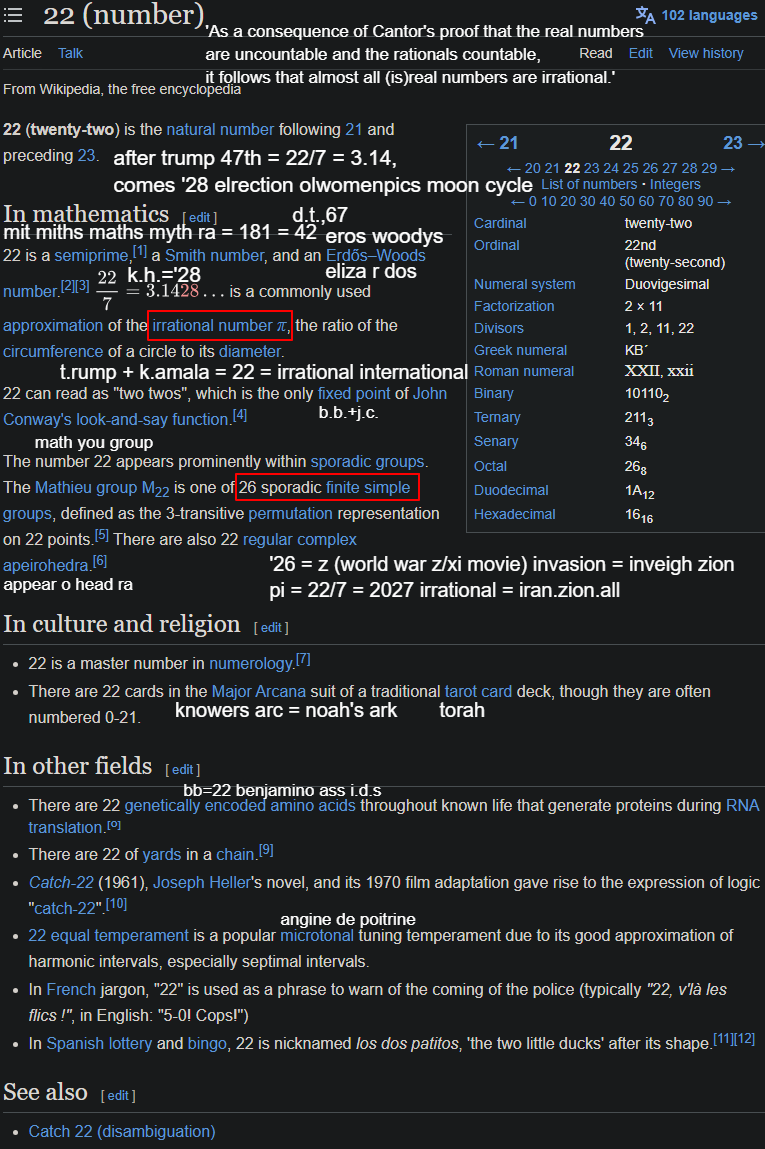
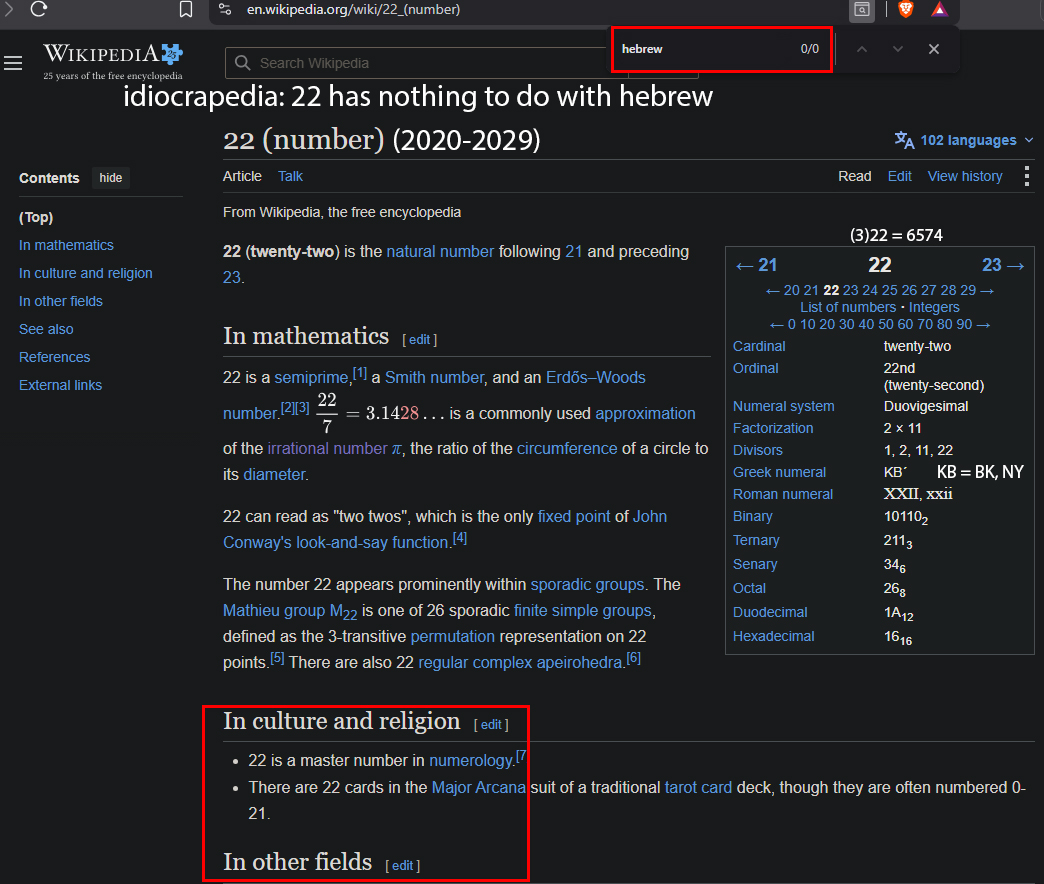
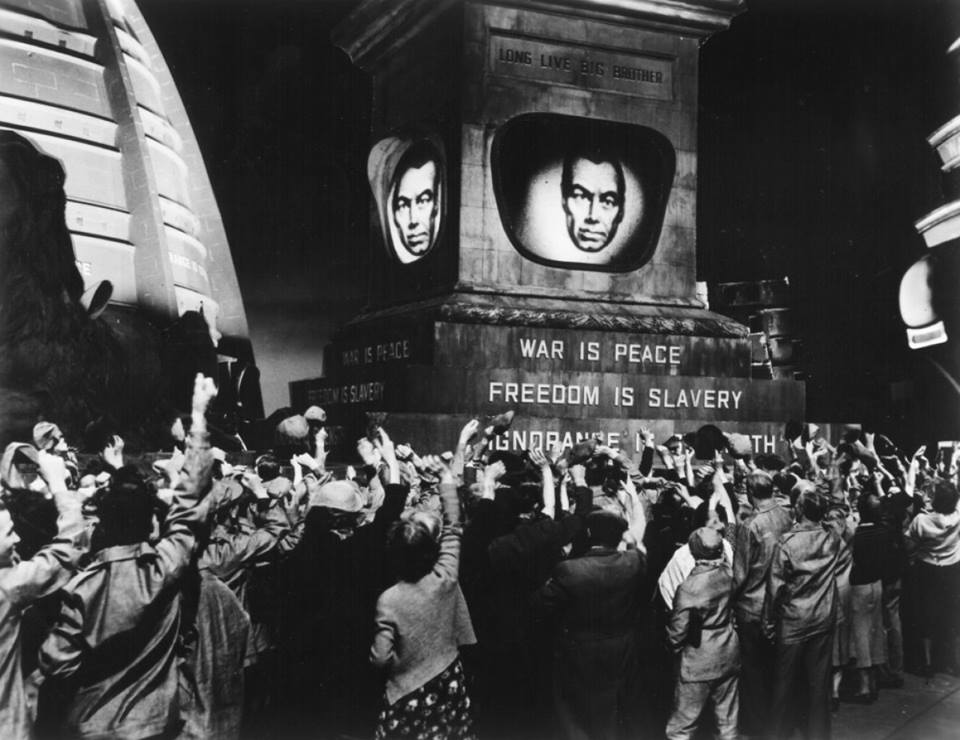
wfi = 23(w) x 3 = (f)69(i)
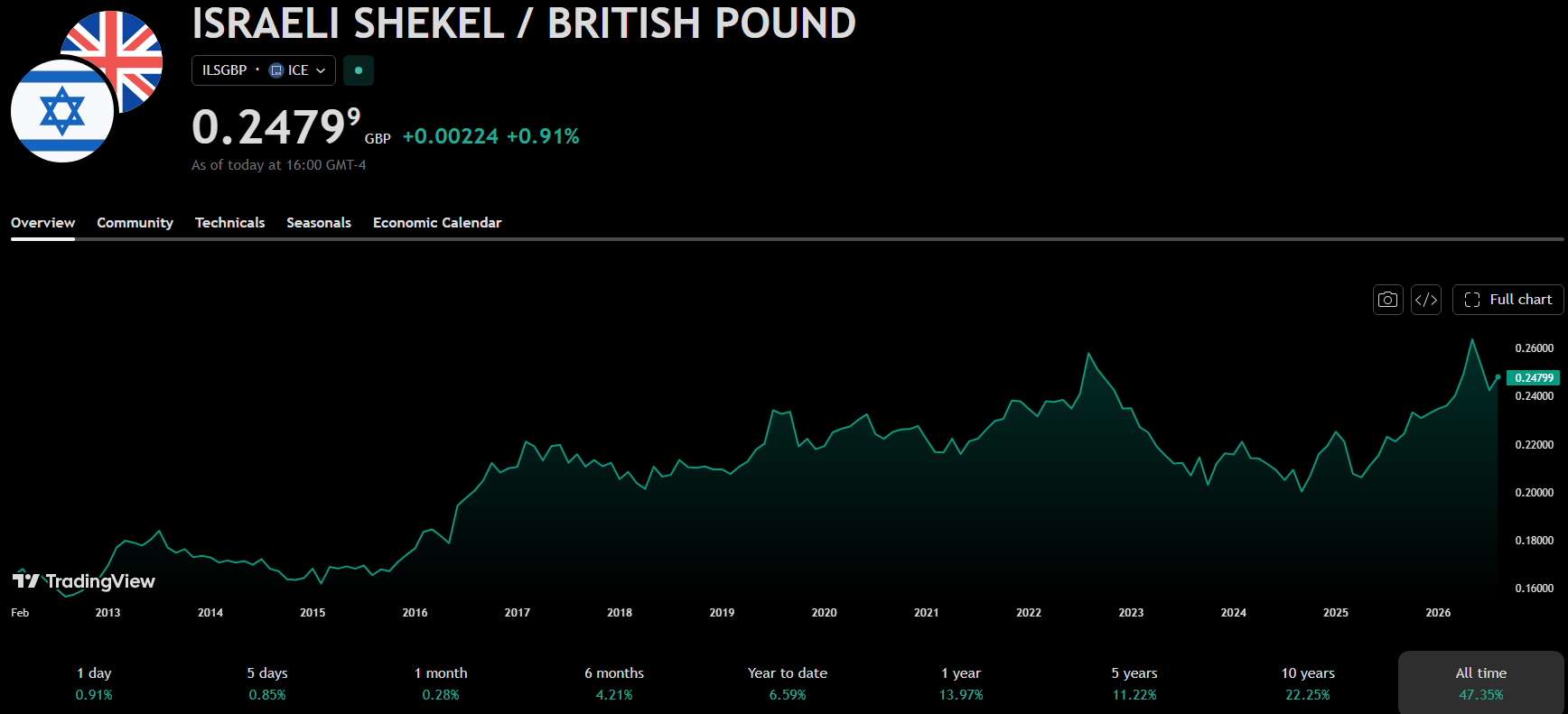


evey = e. v. = queen elizabeth tower + e.t. + dude, where’s my electric vehicle?
et puis pay-tree-on, add vans=vance, v. = 22 = b.b.(bibi), p. = 7, v.p. = 22/7 = 47%
anonymossad check.hell vs. brit.is h/pounded.

inc. = ink = b-writ yish media made movie money green $hrekelz wreck elle’s welch’s grape sodas

btc = bitch coin = 37,
(2)b + (2)t + (3)c = 3.22 skull bones, = 7 + (3)c = charles 3 =
cryptoclimate currency change = closed-circuit tv = b.b.b. big brother